By Nathalia Romero Sanchez, Copywriter and SEO real estate writer | Fri 10, April 2026
Costa Rica is one of the smallest countries in Latin America, but it’s still one of the richest and greenest places on earth. Yet it shelters nearly 5% of all species on Earth, runs on 99% renewable electricity, and has undergone significant efforts in the route of reverse deforestation.
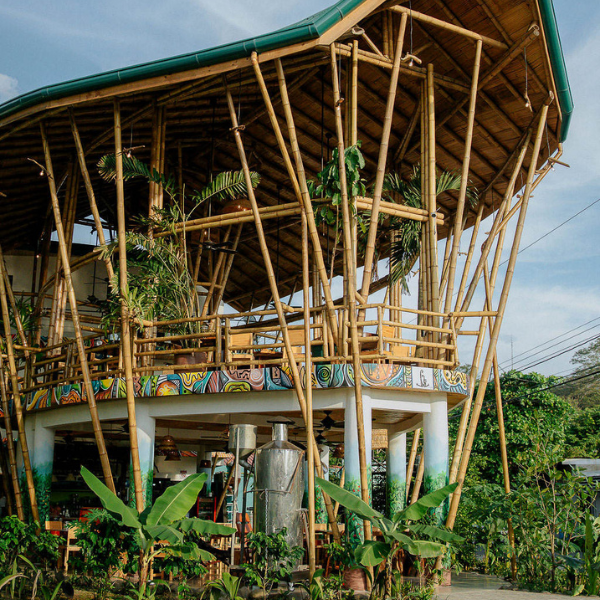
Costa Rica is known for being one of the most environmentally friendly countries in the world, owing to its dedication to reforestation, sustainable living, and setting itself as an example in all things related to environmental preservation. Sustainability and strong, natural resource protection distinguish this country.
Why Costa Rica Is the World's Greenest Real Estate Market
Nearly 30% of Costa Rica’s territory is legally protected as national parks, wildlife refuges, and biological reserves. It has around 12 different microclimates, from Pacific dry forests to Caribbean rainforests to high altitude cloud forests. Having an immense diversity of bugs, birds, and fauna, covering the entire country with green richness.
The immensity of this nature and the protection measures it has undergone have positioned Costa Rica at the forefront of leading green real estate investments in the market, giving it a significant priority and steady value over time.
Real estate investors care about long term positioning and strong capacity for development. Costa Rica is a solid choice, maintaining a strong image and steady position as a greener alternative during one of the most controversial debates about the future. What you buy today stays surrounded by what drew you there in the first place, the magic of nature, the abundance of wildlife, making these developments a bet into the future.
Check out this Green Investment Opportunity: Eco Friendly Retreat
Located in Costa Rica’s Central Pacific, this eco friendly hotel is a unique combination of sustainable architecture and highly productive real estate. Featuring the use of natural materials, with a strong natural location and a steady income of tourists, with a good occupancy rate.
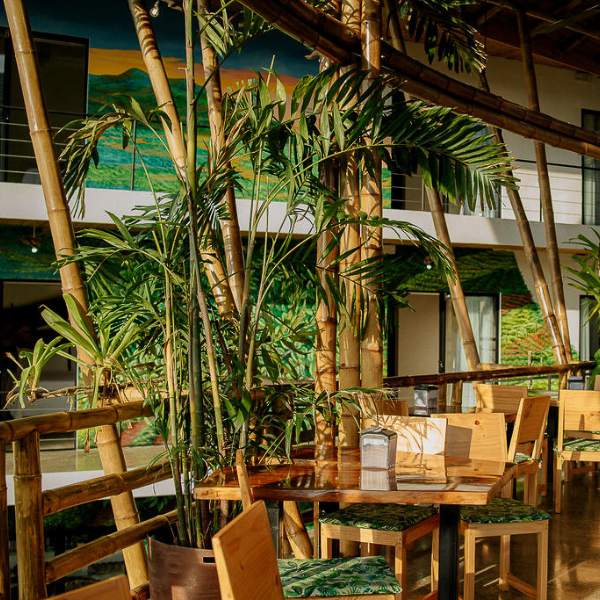
Through the attraction of a nature based attraction to generate income from renting the property, which will be used actively to create financial gain. In addition, the design approach focuses on creating a sense of independence, incorporating ideas of sustainable living. Overall, the entire retreat concept revolves around maximizing the use of the sustainable natural elements.
Where Architecture Meets The Costa Rican Jungle: Buying With Design Intent
Architects today face a challenge: designing homes that are responsive to their environment, client needs, and climate demands. Often, this challenge becomes the driving force and first design point behind their most creative solutions and positive, more nature infused outcomes.
In the coastal and mountain areas of Costa Rica, many homes take part in the use of passive ventilation, natural materials, and rainwater systems. Many real estate options designs that “get in the way of nature” give the jungle, the greenery, and the views the main protagonism in each design.
Investing in Costa Rican real estate offers an opportunity for mixing
luxury beach lifestyle with environmental stewardship, given the country's global reputation as one of the greenest places on Earth. This market is defined by a deep commitment to sustainability, where modern developments prioritize ecologically driven alternatives.Construction Regulations in Costa Rica Real Estate: Protecting Nature and Long Term Value
There are many requirements and regulations that exist when it comes to construction, especially in rural areas or areas with a high natural environment, and these include regulations aimed at maintaining environmental harmony.
Considering all these requirements should not be considered a challenge but a part of the bigger picture, the need to protect the natural beauty of the country, which is its main attraction. All these requirements have to do with landscape conservation and sustainability.
Land use: Defines what type of construction is permitted according to each zone’s zoning plan
Water availability: An essential requirement that must be approved by local authorities before construction begins
Environmental impact studies: Mandatory assessments to protect sensitive ecosystems
Municipal building permits: Technical and legal approvals required before development
Restrictions in rural or protected areas: Limitations on density, height, and building footprint
Protection of rivers, forests, and springs: Areas where construction is prohibited or setbacks must be observed
Maritime terrestrial zone: Special concession regime for beachfront properties
Infrastructure and accessibility: Minimum conditions for development, like roads, basic services
Benefits of Nature Infused Properties in Costa Rica
Owning property in Costa Rica that emphasizes the natural environment offers significant advantages and different opportunities for designing and development.
- Lower long term operating and maintenance costs.
- Generate long term cost savings.
- Improve the resident's well being, emotional state.
- Support longer stays and the overall perception of the rental value.
- Enhance property demand and overall value.
- Attract investors by aligning with broader sustainability goals.
The constant, daily immersion in nature, combined with world class beaches, organic textures, and very well living surroundings, inherently elevates the quality of life. This profound connection to the natural world is a main driver for continuous personal growth, and Costa Rica's landscape provides all of this as a baseline, intending to uphold and preserve what keeps this country alive. The nature infused architecture is a response to an environment that requires a level of upkeep.
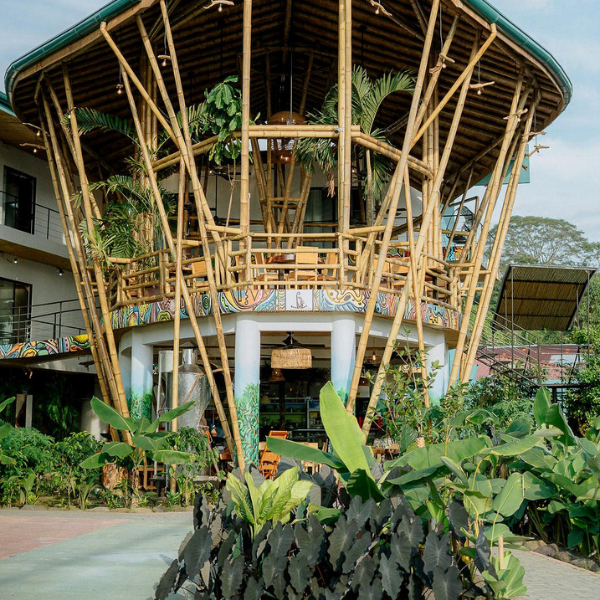
Where to Find your Jungle Home in Costa Rica?
Northern Province of Guanacaste / Nicoya Peninsula: Good rentals, presence of airports, high foreign resident population in Tamarindo, Nosara, and Samara. Nosara, in particular, has turned into a destination for people looking for an eco friendly place to reside.
Santa Teresa: Small inventory of properties available, development projects are boutique, and the lifestyle is surfing, wellness, and ecology driven.
Southern Zone: The area is known for its "most intense place for biology on earth." It's where buyers are interested in untouched nature, wildlife conservation, and appreciation. It's also the area of choice when looking at land investments.
Central Valley: Met without giving up the opportunity to be close to the mountains, the beaches, and the water. Mountains near San José provide a cool climate and convenient access to both coasts of Costa Rica.
Who Is Buying in Costa Rica?
The investment and lifestyle focus moves from traditional luxury toward dedicated sustainability, driving demand for ecological estates. These discerning investors view such properties, characterized by net zero systems, regenerative agriculture, and preserved natural habitats, as investments that command a market premium and exhibit greater long-term resilience, transforming development into a principled financial strategy.
As cited by one of our 2Costa Rica Real Estate relocation allies, Henley & Partners has reported a surge of 102% in the number of Americans who relocated to another country within the first three months of 2025, while Costa Rica remains among their leading destinations on their list. Henley & Partners is always recommending to us new investors or clients who are interested in relocating to Costa Rica. The country also provides tangible legal advantages, such as tax exemptions through the retirees’ program, visa benefits through the investment visa, and one of Latin America’s simplest systems of foreign property ownership.
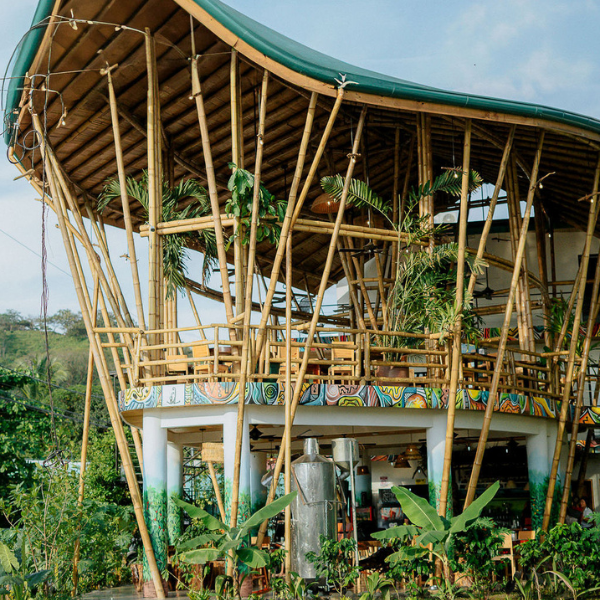
Main real estate & building certifications in Costa Rica
For nature conscious buyers, when it comes to the real estate sector in Costa Rica, real estate and building certifications ensure that a property is sustainable rather than simply being described as such. These certifications are not the common standard among developers, but they could give you a strong sense of what can be requested among building practices.
1. US Green Building Council LEED: Leadership in Energy and Environmental Design The most popular rating system in Costa Rica and worldwide. This program rates buildings according to their energy performance, water consumption, material selection, indoor air quality, and sustainability measures.
2. International Finance Corporation EDGE: Excellence in Design for Greater Efficiencies The program emphasizes efficiency through measurable improvements, with an aim of reducing energy consumption by 20%, water consumption by 20%, and material energy usage by 20%.
3. International WELL Building Institute: WELL Certification Focusing on human health and wellness within the buildings: air quality, lighting, thermal comfort, and well being
4. Green Business Certification Inc. This is an operational certification, which is less stringent than WELL certification but focuses on people’s health and well being, and it is mostly applied to office buildings and mixed use developments, along with LEED.
5. RESET Standard: RESET Air Certification This particular rating system focuses on the indoor air quality monitoring through data collection in commercial and technology oriented developments.
6. Esencial Costa Rica: Esencial Costa Rica This is not a building certification system, but relevant for real estate projects in the country. The certification focuses on sustainable, innovative, and national values based projects and companies.
The Deeper Value
What Costa Rica provides is something that cannot be replicated: a place for living in harmony with the environment.
The art of natural architecture, creating tropical modern houses that work according to light, ventilation, natural elements, and living systems, is gaining traction among architects around the world. Costa Rica doesn’t have to embrace this principle; it is a way of life here.