Nathalia Romero Sanchez, Copywriter and Real Estate Writer
03/04/2026
Costa Rica has become it has become their plan for relocating on the long term. People are looking at it for what it is: a stable market that is friendly to foreigners, has clear ownership rights, low property taxes, and is appealing to people who want to live there. Costa Rica real estate is still one of the easiest international markets to get into, whether you want to buy a second home, an income-producing property, or make a long term move.
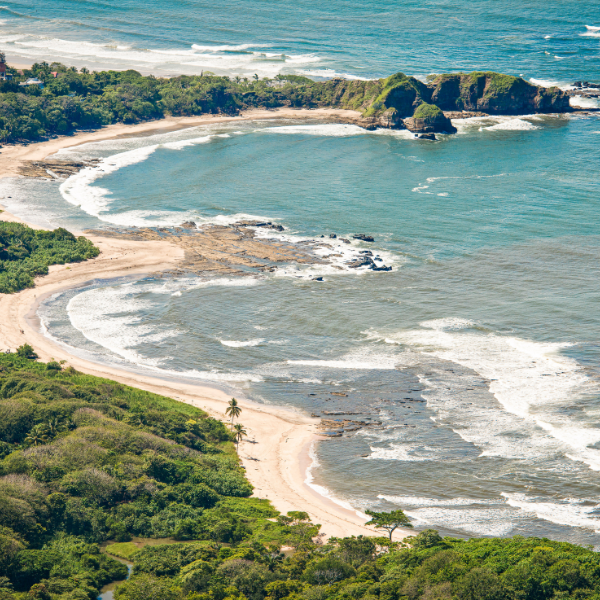
Real estate in Costa Rica should be approached as a formal venture with a structured transaction that depends on proper legal due diligence, reliable escrow, and understanding how the regional and local infrastructure works. The difference between a smooth acquisition and a problem deal comes down to how well the process is handled from the start.
Understanding the Costa Rica Real Estate Market in 2025
Global Trends Driving Demand in Costa Rica Property
The real estate market has transformed over the last few years. The country has always been popular with international buyers and investors due to its obvious appeal. However, a coincidence of several global trends has now boosted this demand to new levels.
In an era of economic uncertainty, political instability in various regions, and shifting policies, high net worth individuals are moving funds into more stable assets in politically neutral jurisdictions. Costa Rica, as Plan B, has channeled substantial investment into the nation's real estate sector, particularly at the high end of the market.
Lifestyle Shift Driving Luxury and Land Demand
The global health crisis highlighted the importance of well being, driving demand for properties with acres of land, proximity to nature, and strong, sustainable living solutions.
Luxury Homes: Properties featuring cutting edge design, sustainable technology, significant acreage, and premium amenities.
Family Complexes and Compounds: Secure, private estates that can accommodate multi generational families or serve as a primary modern tropical residences .
Property Ownership in Costa Rica: What U.S. Buyers Need to Know
Owning Real Estate Through Corporations in Costa Rica
In Costa Rica, real estate is often owned through a corporation rather than directly through an individual. The most common form is a Sociedad Anónima (S.A.), which is a legal entity that can own property. The ownership is not directly transferred; rather, the shares of the corporation are sold, which can make the transaction process easier and even reduce costs.
The use of a corporation also offers a level of freedom and protection. Many people use a corporation for a variety of different reasons, such as liability, estate planning, and convenience, especially if the property is to be used for rental or if multiple people are involved. Again, this is not required or automatic, and the process must be done correctly, including the use of a knowledgeable attorney to ensure that everything is done properly and remains in good standing.
How to Buy Property in Costa Rica
Working With a Real Estate Agent in Costa Rica
In the United States, the real estate industry is heavily regulated through licensing and the MLS
This is exactly where working with the right team matters. At 2Costa Rica Real Estate, we have 50+ agents across the country, giving buyers direct access to local expertise in every major region, from Guanacaste to the Central Valley to the Southern Zone.
Choosing the Right Region: Microclimates and Locations
The varied topography, which includes two coastlines, towering mountain ranges, and central valleys, produces a remarkable microclimate, and this, perhaps, is one of the most important considerations for those contemplating a move to, or a purchase in, Costa Rica.
Clearly, a consideration of these extreme differences is important, and individual preferences for heat, humidity, rain, and altitude ultimately dictate what region might be most suitable for a person's lifestyle and real estate investment. Lifestyle can be anything from surfing, outdoors, a community driven lifestyle, resort golf lifestyle or beachfront living.
Due Diligence When Buying Property in Costa Rica
Strong due diligence means verifying everything, asking for clear explanations, and walking away when issues aren’t resolved.
Water Rights and Setbacks in Costa Rica Real Estate
Water bodies and setbacks (retiros) can directly impact whether you can build or even use the property as intended. Your legal team needs to check MINAE’s Visor de Aguas and obtain INVU certifications, or, since springs, creeks, and water sources can impose setbacks from 10m up to 200m.
These restrictions can significantly reduce usable land, and updated regulations mean properties that looked fine years ago may now have limitations.
Topography and Land Verification
Topography and on site verification involve a licensed topographer who has to visit the site and verify whether everything conforms to what is indicated in the cadastral plan and records in the Registry Office, also identifying if there are any water bodies on the property.
Construction Legality and Permits
The legality of construction is also important, especially when dealing with old properties, and your team has to verify whether everything has been declared with the local municipality, if taxes are paid, and if structures on the property comply with zoning, coverage, and setback regulations. This last aspect has a huge difference when, for instance, there might be a lack of paperwork for a structure that has been built legally, while another structure might be located in a restricted zone and might not be able to be regularized.
Corporate and Tax Verification
Corporate, tax, and registry checks are also vital, especially when dealing with properties owned by corporations, and your team has to verify whether taxes are paid, including luxury taxes if applicable, and if there are any liens, mortgages, and annotations on the property, among other details.
The Role of a Legal Representative in Costa Rica
In Costa Rica, the attorney is essential for safeguarding your interests and must be a licensed Notary Public with real estate expertise who is authorized to prepare the property deed, certify documents, and legally convey ownership.
A qualified attorney will manage the entire due diligence process, which involves conducting an exhaustive search on the property to ensure it is clean for at least the last 10 years. This is to ensure that the property is clean and free of any encumbrances. This is an essential part of the process. An attorney will also help resolve any problems with the property registry and set up the escrow account.
Making an Offer and Making the Deal
Once you find the right property, the focus shifts from just agreeing on price to structuring the deal properly. Your attorney will draft a Promissory Purchase Agreement that clearly defines the price, payment structure, due diligence timeline, and closing date. It should also include conditions that must be met before closing and outline what happens if issues arise. This is where the deal is protected before any significant funds are committed.
Closing Process in Costa Rica Real Estate
Final Steps to Property Ownership
Closing in Costa Rica should be a relatively simple process as long as the due diligence process was conducted properly. After all the conditions are met in the promissory contract, the closing process can occur within 30 60 days, although delays can happen due to registry corrections, pending cancellations of mortgages, and outstanding issues with the permits and water setbacks.
On the day of the closing, the buyer, seller, and the Notary Attorney execute the transfer deed Escritura, in person or by an Attorney. This deed includes the price and the distribution of costs and verifies the legal situation of the property about taxes, liens, and possible issues with the property’s construction.
Once signed, the Notary registers the transaction. In a few weeks, the property is officially transferred to your name or corporation, making you the legal owner with a clean title and a properly structured, future proof purchase.
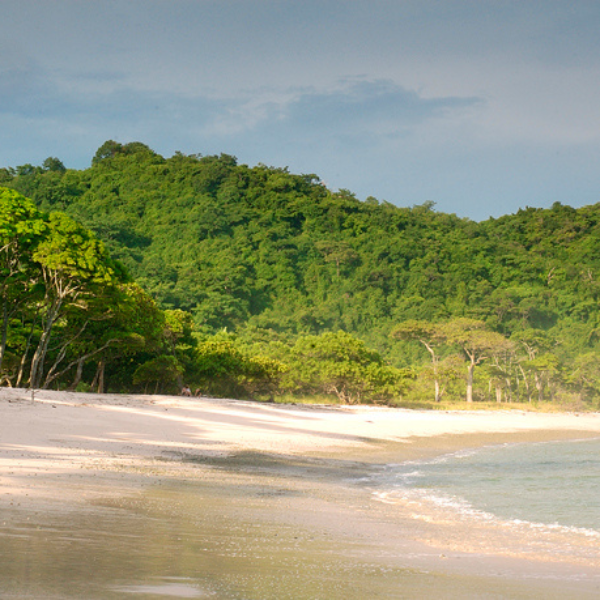
Build Your Dream Home in Costa Rica With the Right Team
Building your dream home in Costa Rica is investing in an alternative lifestyle. With the proper guidance, the process is logical, linear, and well worth it.
Work with the experts at 2Costa Rica Real Estate to get the legal, financial, and property sides of things right. The objective is not just to buy, but to build something that will last, that will have value, and that will align with how you want to live.