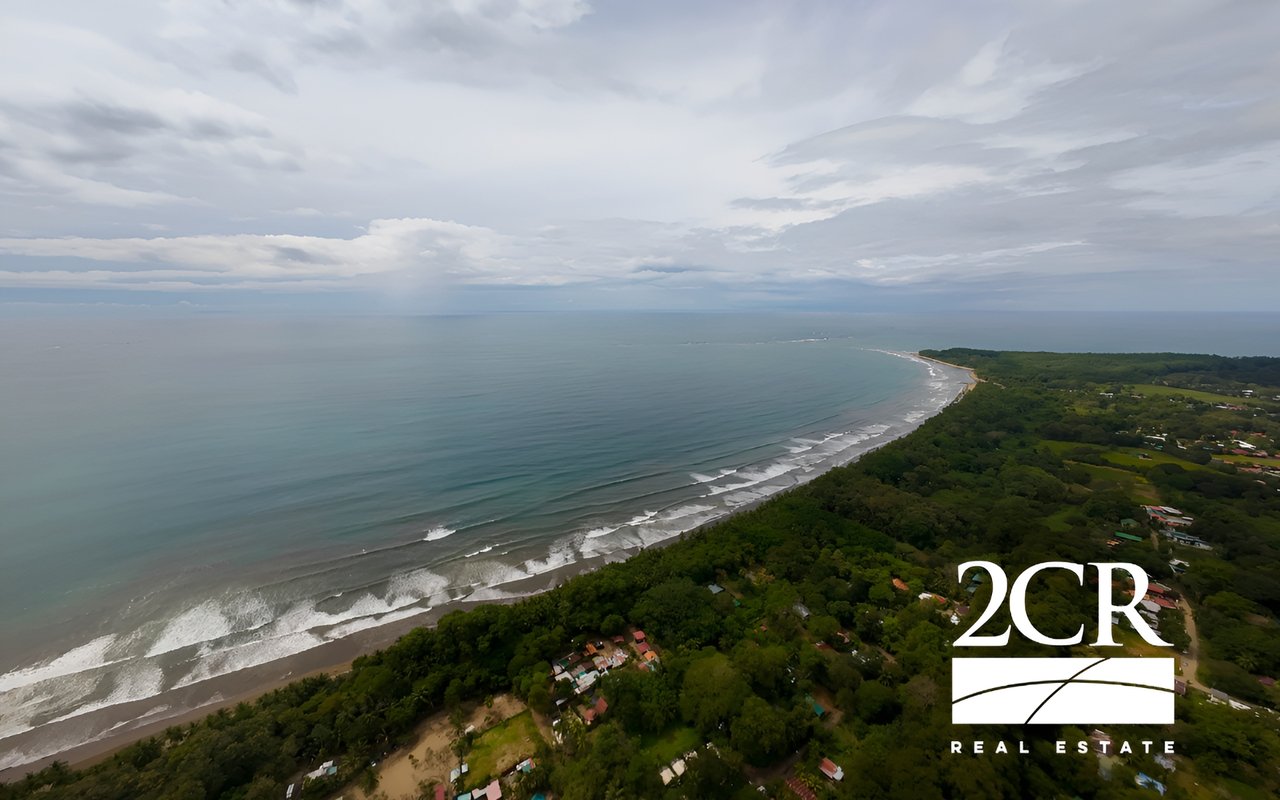

Costa Rica real estate continues to attract buyers who value stability, long-term opportunity, and lifestyle alignment. Strong international demand, a transparent legal system, and sustained interest across multiple regions have made Costa Rica a consistent worldwide demand for residential buyers, second-home owners, and investors alike.
In Costa Rica’s dynamic real estate market, successful purchases come from buyers who achieve the best outcomes by taking a proactive and well-structured approach. Equally important is establishing a solid process early on by working with experienced local professionals, including a knowledgeable real estate agent and a qualified (hopefully real estate-focused) attorney.
Developing a clear understanding of pricing trends, zoning regulations, and the realities of foreign ownership further strengthens decision-making and lays the groundwork for a sound, legal, and successful investment.
Costa Rica Real Estate as a Set of Distinct Markets
Costa Rican real estate is not structured as a single, consistent market. While locations like Guanacaste, the Central Valley, and the Southern Zone serve as valuable geographic reference points, real market behavior is determined by property-specific characteristics. Two identical-looking properties could come across completely different realities once municipal regulations, national standards, and registration records have been carefully reviewed.
Legal clarity, zoning status, access to utilities, infrastructure commitments, and governance structures play a decisive role in how a property performs over time. Properties located in the same area can carry very different ownership experiences and long-term outcomes depending on these factors. Restrictions arising from water bodies, protected areas, or inconsistencies between cadastral plans and the registry can change what can actually be built or operated on the land.
Using a clear, structured framework allows Costa Rica real estate buyers to correctly size and compare houses. It assists customers in selecting assets that are actually appropriate for what they plan to accomplish with them, the level of risk they are willing to accept, and their long-term investment goals. Having legal and technical experts on your team who understand the nuances is essential; their expertise translates the complicated market into simple, practical steps for making effective decisions.
The Costa Rica Real Estate Market Rewards Preparation
The Costa Rica real estate market continues to provide appealing prospects for purchasers who plan ahead of time and understand local processes. Demand drives growth, but legal frameworks, development schedules, and operational factors all influence the outcome. The most foreseeable results occur when legal, financial, and technical evaluations are handled as integral aspects of the transaction.
- Buyers should set realistic expectations and plan for infrastructure timelines, permitting requirements, and ongoing carrying costs to avoid delays or unexpected expenses.
- Financing availability should be considered from the beginning, as it can directly affect long-term ownership and future resale potential.
- Fiscal due diligence is part of risk management and should include a thorough review of municipal taxes, luxury property taxes, corporate ownership structures, and possible income tax exposure.
This process helps ensure buyers do not inherit prior liabilities under Costa Rica’s solidary responsibility rules. Preparation helps buyers capitalize on market strength and manage variability. It also expedites due diligence responses and keeps negotiations focused on solutions.
Lifestyle Alignment in Costa Rica Real Estate Planning
Lifestyle considerations play a central role in Costa Rica real estate decisions and are most effective when approached in a structured way. Understanding how a property will be used helps buyers choose the right location and increases long-term satisfaction. This clarity makes it easier to decide between walkable urban areas, lower-risk condominium developments, or larger rural properties, where environmental and regulatory requirements are often more complex.
Practical factors such as access to healthcare, reliable internet, seasonal population changes, rental regulations, and proximity to essential services vary widely by region and have a direct impact on daily ownership. These elements are particularly important for buyers considering a primary residence, a vacation home, or an income-generating rental. In many cases, finding the right balance between privacy, accessibility, and regulatory certainty becomes just as important as views or architectural design.
When lifestyle alignment is built into the planning process, it becomes a clear decision-making framework rather than a personal preference. It helps buyers define how much complexity they are willing to manage, especially when it comes to permits, community rules, and interaction with local institutions.
Luxury Real Estate in Costa Rica and Local Fundamentals
Lifestyle considerations play a central role in Costa Rica real estate decisions and are most effective when approached in a structured way. Understanding how a sustainable property investment will be used helps buyers choose the right location and increases long-term satisfaction. This clarity makes it easier to decide between walkable urban areas, gated condominium developments, or larger rural properties, where environmental and regulatory requirements are often more complex.
Practical factors such as access to healthcare, reliable internet, seasonal tourism, infrastructural changes, rental regulations, and proximity to essential services vary widely by region and have a direct impact on daily ownership. These elements are particularly important for buyers considering a primary residence, a vacation home, or a rental property. In many cases, finding the right balance between privacy, accessibility, and regulatory certainty becomes just as important as views or architectural design.
When lifestyle alignment is built into the planning process, it becomes a clear decision-making framework rather than a personal preference. It helps buyers define how much complexity they are willing to manage, especially when it comes to permits, community rules, and interaction with local institutions.
Looking for Development Land?
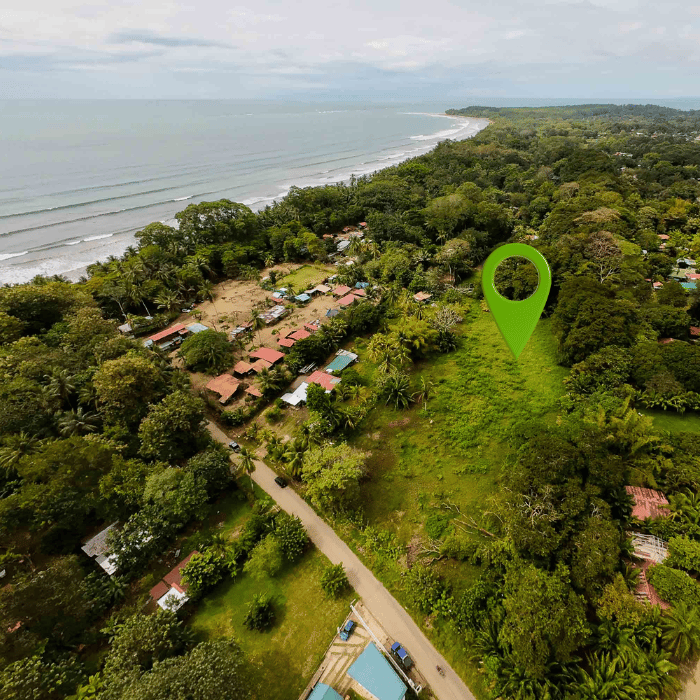
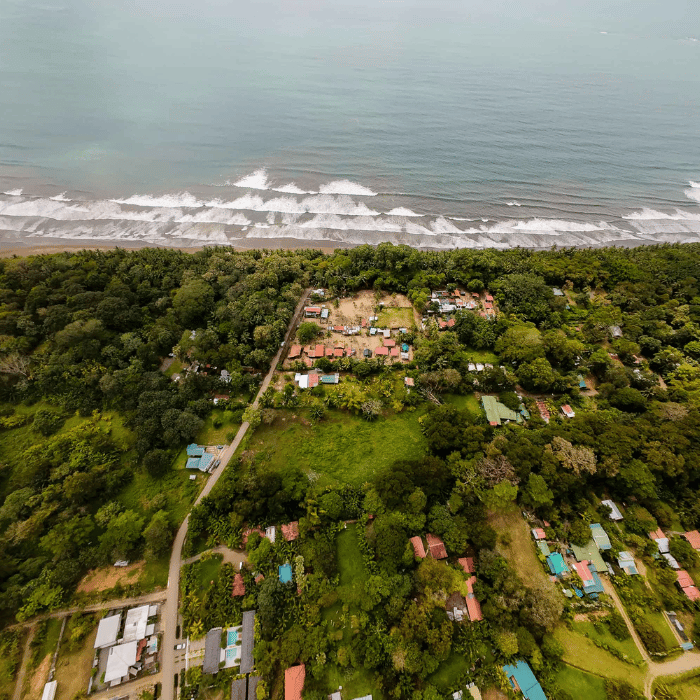
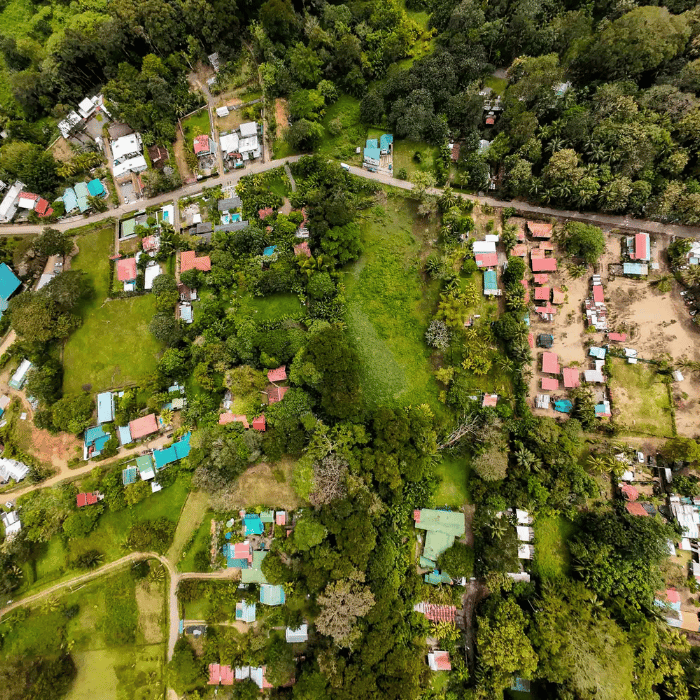
This Titled Land Steps from Dominical beachside development lot in Uvita presents an exceptional opportunity to own 1 hectare of fully titled land just steps from Playa Chaman, offering one of the closest legally buildable positions to the ocean in Costa Rica. Located at the Colonia entrance in Bahía Ballena and bordering Ballena National Park, the property combines flat, mostly cleared, and fully usable terrain with preserved jungle edges that attract abundant wildlife while maintaining privacy. With public road frontage, municipal water, and electricity available, the land is well-suited for a private coastal residence, boutique cabinas, or a low-density hospitality project.
In a market where full-title beachside parcels of this size and proximity are increasingly rare, this property stands out for its legal certainty, prime location, and long-term value.
Contact us to schedule a private showing of Dominical Real Estate or request full development details.
Regional Insight within the Costa Rica Real Estate Market
Pairing up with a strong local real estate agent adds significant value to the decision-making process. Regional expertise provides insight into community dynamics, insider strategies, development patterns, and on-the-ground conditions that are not visible in national market overviews.
When this local knowledge is combined with broader market awareness, buyers gain a clearer understanding of both opportunity and timing. Experienced agents and strong legal experts understand how municipal requirements, environmental sensitivities, and community expectations vary from one area to another.
As regions evolve, infrastructure improves, and buyer profiles shift. A knowledgeable local agent can help identify these transitions early, allowing buyers to align their decisions with long-term trends rather than short-term momentum. They can also flag areas where deeper due diligence is required, such as locations with complex water systems, older unpermitted structures, or changing zoning regulations.
This integrated, local-first perspective supports real estate decisions that remain relevant well beyond the initial purchase. It helps buyers calibrate their risk tolerance, budget, and expectations to the realities of each micro-market, rather than relying solely on broad national narratives.
Framework for Costa Rica Real Estate Decisions
Preparing to buy real estate in Costa Rica is ultimately about making informed, balanced decisions. Successful outcomes come from combining clear information, realistic expectations, and careful evaluation rather than relying on momentum or assumptions. Taking the time to understand the broader context of a purchase, legal, financial, practical, and personal, creates a stronger foundation for long-term satisfaction and stability.
A careful approach also encourages collaboration with the right professionals and allows buyers to move forward with confidence and clarity. In any evolving real estate market, disciplined preparation is not only a way to reduce risk but a means to identify better opportunities, make sound decisions, and achieve more predictable long-term results.