Most people come to Costa Rica for its beaches, which are plentiful as the country has over 800 miles of coastline (1290 km). What some are not aware of is that, being a part of the Pacific Ring Fire Circle, Costa Rica has over 200 identifiable volcanic formations dating back over 65 million years, with 100 or so showing any signs of volcanic activity, and five are classified as active volcanoes. The volcanoes of Costa Rica can be divided into 3 volcanic range systems. The Guanacaste Range is home to the Rincon de la Vieja, Orosi Volcano, Miravalles Volcano, Tenorio Volcano & Arenal Volcano, while the Central Volcanic Range is made up of the Poás Volcano, Barva Volcano, Irazú Volcano, & Turrialba Volcano. The Talamanca Range has only one volcano, El Viejo. Of all these volcanoes, the Turrialba, Poás, Rincon de la Vieja, Arenal, Orosi, & Irazú are considered active and in that order.
Living in the Central Valley, it’s very easy to access 3 of these volcanoes, and they make for a fantastic one-day or weekend trip for yourself and the whole family.
One of the most active volcanoes as of today is Turrialba, which is about a half-hour drive from San Jose. It’s a very scenic drive, going through Cartago province, passing the Cachi dam, and getting into the lush highlands of Turrialba with sculpted pasture land and many working farms. Turrialba is known for its own brand of cheese, called by the same name, and you find many roadside restaurants that specialize in fresh meat and cheese dishes. Among many great places along the way for you to stop for a scenic and tasty, fresh meal are Rancho del Sapito and La Posada de Luna.
Along the same road, but a few curvy kilometers away, lies another active volcano, Irazu. Considered Turrialba’s cousin, and formed by the same source, yet they are two very different in terms of vegetation, activity, and views. It’s about the same drive to get to Irazu, one and a half hours; however, as one of the craters is dormant, you can actually walk up to the crater and see the lake that is formed inside of it and treat yourself to amazing views of the range, the low-lying towns, and the capital of San Jose. Several great eateries along the way, including a steakhouse and typical local food spots, such as Mi Tierra. Due to the landscape and the climate, the majority of the nearby land in Irazu is harvested by potato and onion growers, along with some other vegetables. It’s always a treat to stop along the way and buy some fresh produce that comes straight from nearby farms.
For the lovers of the thermal waters, in the Cartago province, there are a couple of hot spring retreats, the newest one called Hacienda Orosi, opened in 2019. World-class installations, with 5 different pools with different temperatures, offer daily passes, and are outfitted with a restaurant, changing areas, secured parking, and amazing views.
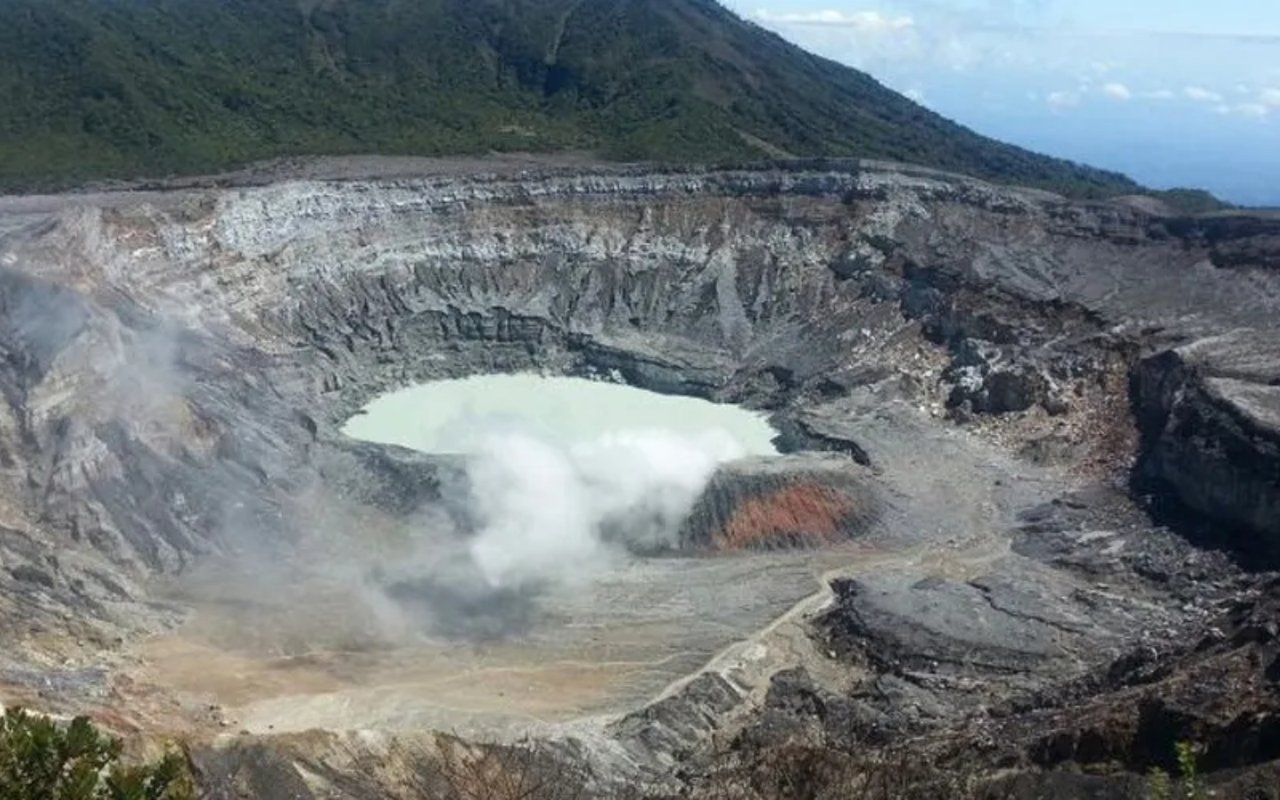
On the other side of town, about an hour and a half drive, is the Poás volcano. Being closed for most of the last year due to constant emission of gases and other volcanic activities, it is now reopened, and you can take a guided tour, as the visiting areas have been equipped with shelters that visitors can take in case there is stronger activity during the visit. Some mild constant activity in the volcano is guaranteed, and you can also walk to a crater observatory deck to take a glance at the lake formed in it. Along the way, there are numerous campgrounds and scenic restaurants to stop by, treat yourself to a fresh trout that you can catch in the local ponds, and have it prepared for you right there. The best strawberries come from this area, and there are numerous roadside stands that sell them freshly picked from the greenhouses and plantations.
For more about places to visit and properties in the area, please visit here.