Why Costa Rica Is Emerging as a Global Hub for Regenerative Wellness Living
Costa Rica is recognized as a country where regenerative wellness living operates at a structural level rather than as a short term trend. Most of its electricity is generated from renewable sources, and more than a quarter of its territory is under environmental protection, policies that influence how land is valued, developed, and preserved. The various climate supports year round agriculture and passive architectural design, reducing energy demand and supporting outdoor living. However, the country is not fully sustainable. Rapid coastal growth places pressure on water systems, infrastructure gaps remain in some regions, and continued development challenges existing regulatory frameworks.
What sets Costa Rica real estate apart is not that it has solved sustainability, but that its policies, culture, and market incentives consistently move in that direction, embedding wellness into land use, community planning, and long term investment decisions.
Relocation Trends Driving Sustainable Real Estate Growth in Costa Rica
The shift in relocation trends shows that professionals, entrepreneurs, developers, wellness enthusiasts, and families are building long term roots, prioritizing lifestyle, mental health, and diversifying their assets. Water, soil, sun, and regeneration potential are all factors considered while assessing land. As a result, home building is shifting toward communities and neighborhoods with low density layouts that prioritize greenery, energy supply, and practical outdoor areas.
Relocation and Development Patterns Reflecting Ecological Alignment
- Focus on system design and design features rather than lifestyle aesthetics alone
- Land evaluation based on water access, soil quality, sun exposure, and regenerative features
- Low density housing to preserve vegetation and airflow
- Balanced access of community water resources called ASADAS
- Prioritization of resource independence through solar systems, water harvesting, and food production
- Design focus on orientation, cross ventilation, shaded terraces, and outdoor transitional living spaces
- Reduced emphasis on maximizing interior square footage in favor of climate adapted spatial planning
Environmental Policy and the Role of FONAFIFO in Forest Conservation
Costa Rica has long operated on the principle that standing forests hold more value than cleared land. Through FONAFIFO and the Payment for Environmental Services (PES) program, the government compensates landowners for conserving forest, reforesting, or allowing natural regeneration, recognizing that forests protect watersheds, sequester carbon, and sustain biodiversity.
The program modifies what is underneath economic logic so that land no longer needs to be turned into construction or pasture in order to be deemed productive. Although it doesn't completely remove market forces, especially in valuable coastal regions, it does provide a strong incentive for development to be in line with environmental responsibility.
Water Infrastructure, ASADAS, and Responsible Coastal Development
At the same time, true sustainability is not always fully achievable under current real estate conditions. Water infrastructure, for example, becomes a limiting factor in fast growing coastal communities. In different coastal areas, local water associations (ASADAS) sometimes lack the capacity and resources to keep up with growth. Community resistance to large new projects, often triggered by concerns over water, access, and ecological impact, has acted as a corrective force. Developments are requested by the community to fund new water storage tanks, improve infrastructure, or redesign components. This community involvement is part of how more responsible projects emerge.
Sustainable Architecture and Tropical Design Trends in Costa Rica Real Estate
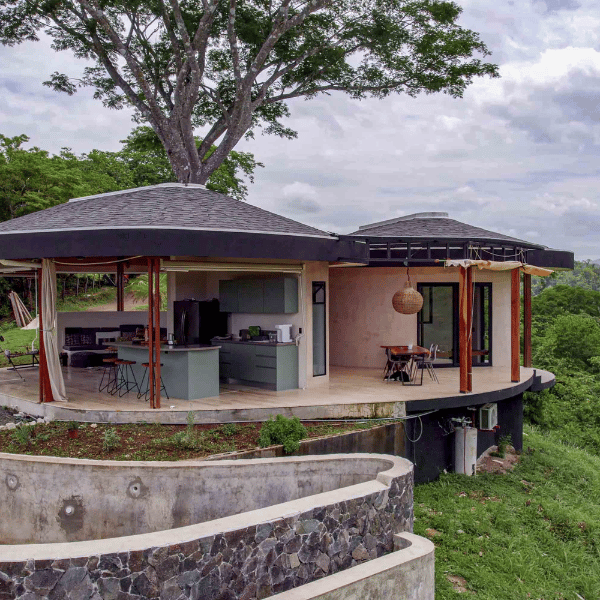
Sustainable Design Trends Shaping Development in Costa Rica
- Alignment with global sustainability movements, adapted specifically to tropical climate conditions
- Biophilic architecture connecting interior spaces directly with surrounding vegetation
- Large openings, operable walls, and spatial layouts that prioritize natural light and cross ventilation
- Use of natural and locally sourced materials suited for humidity and heat
- Climate responsive design based on sun path, wind direction, and seasonal rainfall patterns
- Structural orientation that reduces heat gain and mechanical cooling dependence
- Regenerative landscaping that replaces ornamental planting with productive ecosystems
- Soil restoration, edible gardens, agroforestry systems, and biodiversity corridors integrated into residential design
More and more, buyers coming to Costa Rica are expecting models that have a set percentage of a property to be dedicated to greenery, conservation, or connected to larger ecological corridors. Properties whose primary appeal is their proximity to a natural viewpoint or forest often see a peak in earnings during the height of the tourism season, making these properties three times more valuable.
Live the Regenerative Lifestyle in San Juanillo
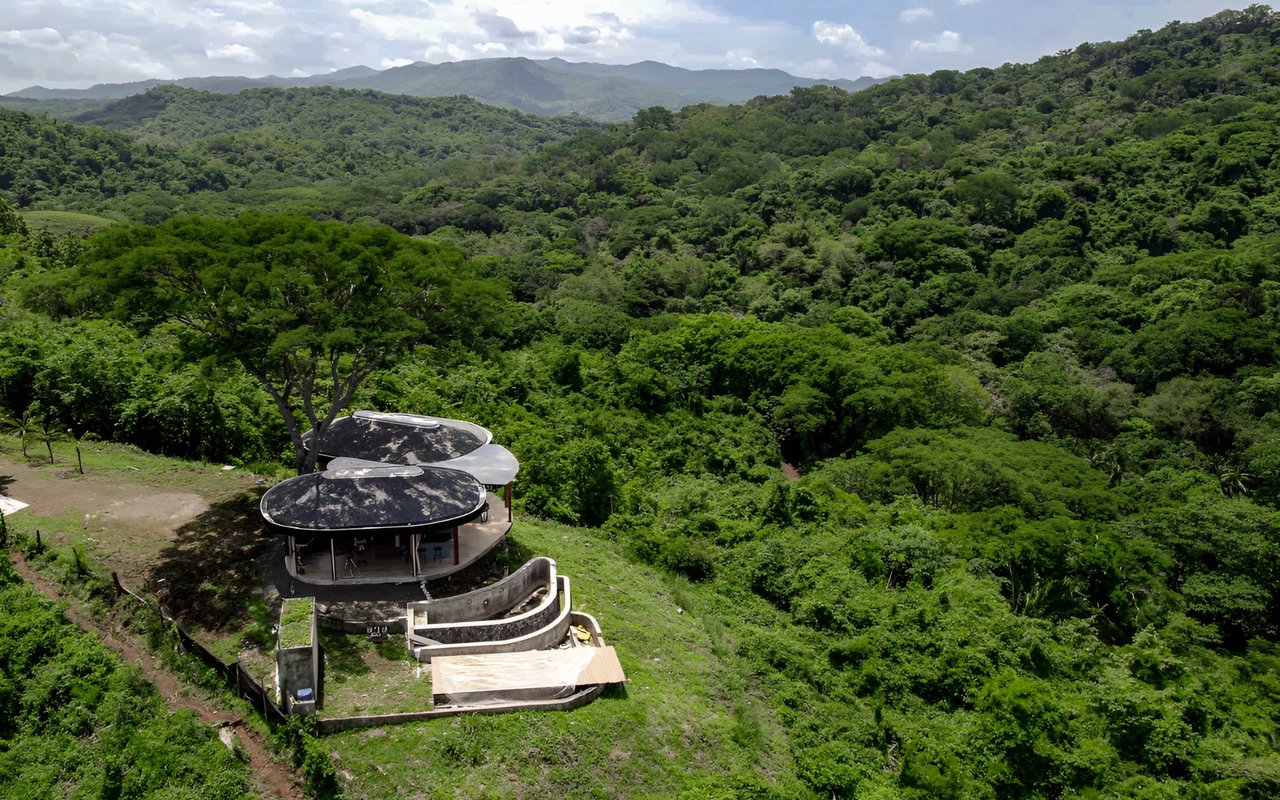
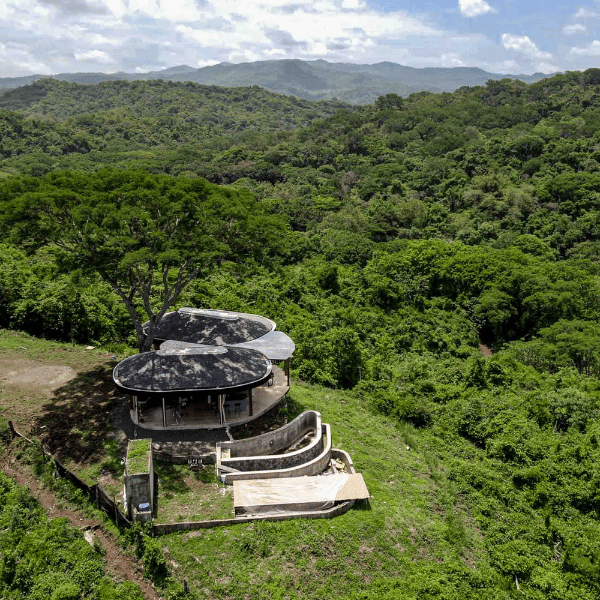
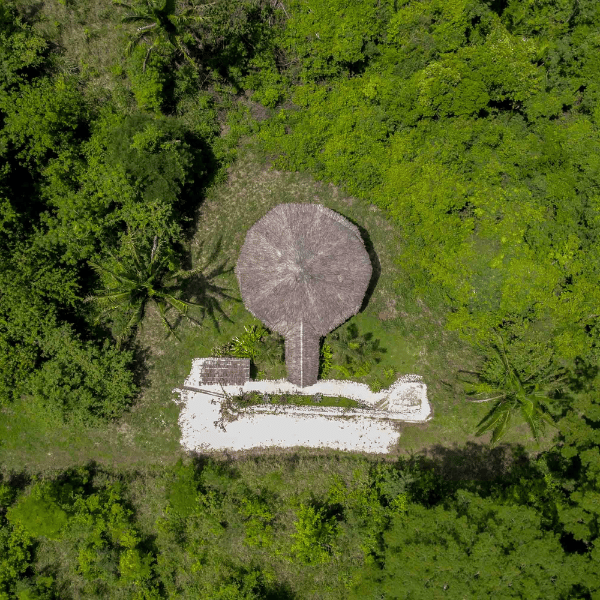
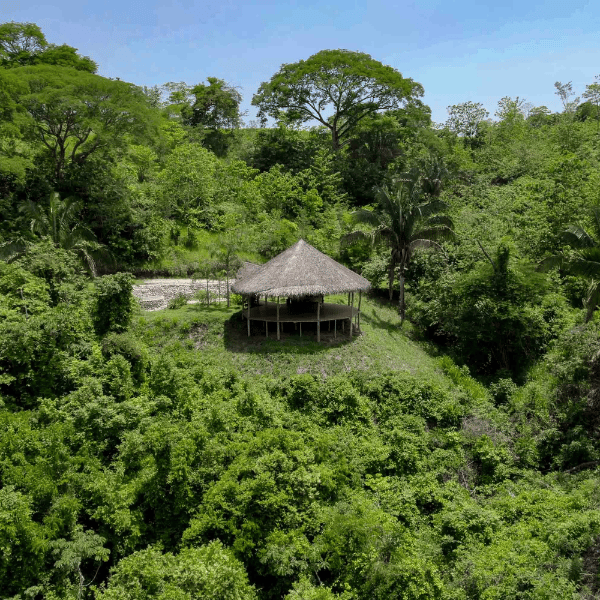
Eco Jungle Retreat with Mountain Views in San Juanillo embodies regenerative wellness living, aligning land, design, and daily life. This 15-acre property offers jungle, riverfront, solar energy, mountain breezes, and intentional low density design, a sustainable surf community fostering resilience and privacy. It is an ecologically integrated, autonomous compound near Nosara, perfect for a private family compound, a wellness retreat, or a conservation driven hospitality concept.
Community Led Sustainability and Social Infrastructure in Coastal Regions
Community structure is a core driver of regenerative living. Farmers' markets, shared growing spaces, and hands on workshops create practical knowledge networks. People with backgrounds in agriculture, architecture, renewable energy, and water management collaborate on projects that strengthen long term resilience. Sustainability becomes easier to maintain when it is supported by relationships, not just individual effort.
In coastal areas, a visible dynamic exists where surf schools, yoga studios, local families, and new residents interact daily, on trails, at markets, and in civic and conservation groups. While growth sometimes strains local resources, causing tension, resistance, collaboration, and innovation can coexist. Leaders challenge problematic projects while developing initiatives that benefit from tourism and migration. The goal is to guide development, not stop it, toward models that protect the core attractions: healthy ecosystems, strong community, and a nature-connected lifestyle.
Why Costa Rica’s Sustainability Reputation Influences Real Estate Investment
While Costa Rica is still developing in terms of sustainable architecture and regenerative practices, its environmental policies and eco-conscious community make it an ideal location for practical regenerative wellness living. The existing, expanding infrastructure allows residents to align daily life with ecological responsibility. The country's strong reputation for sustainability actively takes part in shaping land value, community organization, and investment decisions.