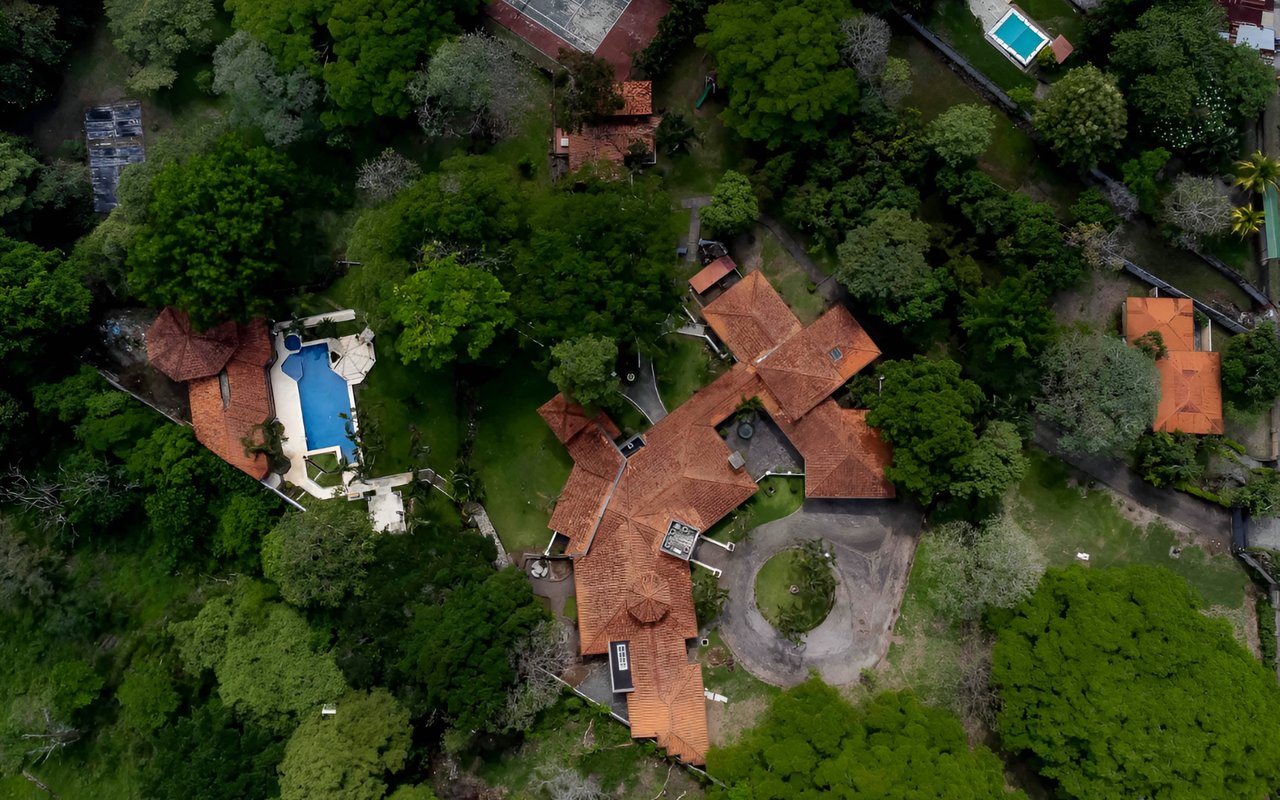
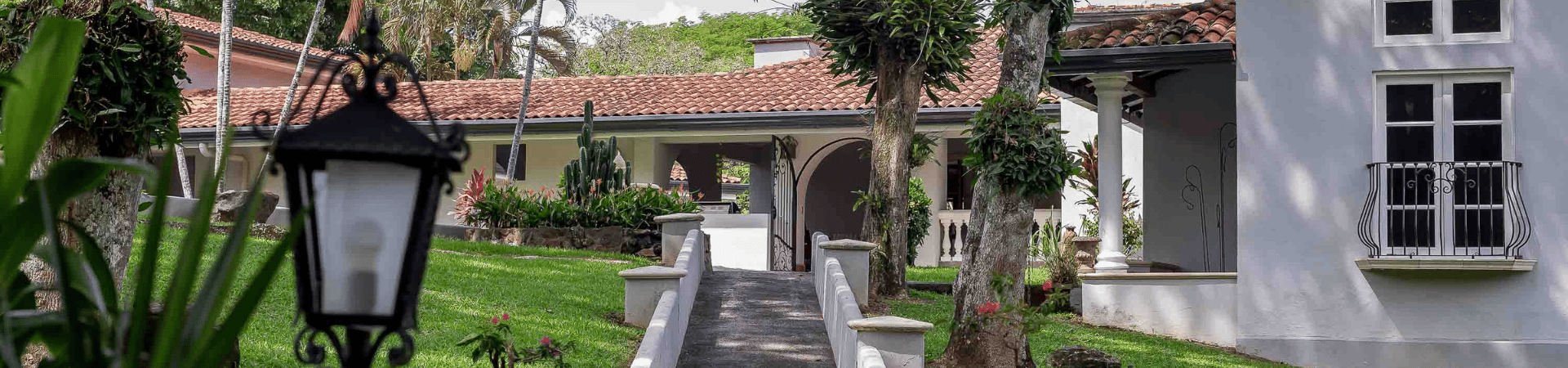
Buying Costa Rica real estate safely requires a structured transaction process supported by a qualified team and the country’s solid legal framework. For international buyers, the market is easily accessible; however, the security of the transaction hinges on the deal's structure and the successful execution of your team.
The professionals involved, the clarity of representation, the structure of the transactional processes, and the quality of due diligence directly impact your risk exposure. A professional team and a structured closing process are essential to protecting capital and making your transaction process as smooth as possible.
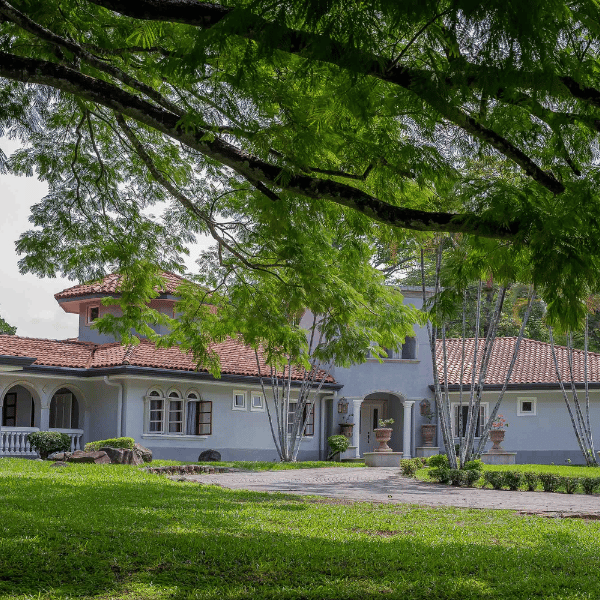
Who You Need on Your Costa Rica Real Estate Team?
A serious real estate purchase in Costa Rica typically involves:
- A professional real estate advisor or broker
- An independent attorney and notary specialized in real estate
- A regulated escrow company
- In many cases, a Costa Rican corporation that will hold title
To protect your investment and ensure a legally sound property transfer, you need full clarity on who represents each party, who is responsible for the legal review, and who controls the funds during the transaction. Your attorney should be clearly identified and act exclusively in your interest, while the seller or developer should have their own representation.
Just as important, there must be a defined and independent escrow structure with clear conditions for disbursement. When roles and responsibilities are explicitly established from the beginning, risk is reduced, and the transaction moves forward with control and accountability.
How to Choose a Secure Escrow Company in Costa Rica
Treat your escrow account as a critical safeguard. Escrow acts as a neutral third party that safeguards the buyer’s funds and only releases them once all contractual conditions are met during due diligence.Your funds should be held by a recognized, independent, verified by SUGEF escrow company.
The structure is the most important part of the escrow process:
- Segregated client accounts
- Clear written disbursement instructions: tied to specific conditions like registration, signing, and inspections
- A formal escrow agreement that you fully understand before wiring any funds
- Proper KYC/AML compliance
- Verified identities of all parties involved in the transaction
If the escrow arrangement feels informal, rushed, or vague, stop immediately and ask questions. In high value transactions, escrow adds a critical layer of financial control, reducing exposure to misallocation and last minute closing disputes. Choose it carefully, question it thoroughly, and never wire money into a structure you don’t clearly understand.
Verify Track Records Before You Invest in Costa Rica
At 2Costa Rica Real Estate, we have worked with the same vetted service providers for more than 15 years because consistency and track record matter. For escrow, we consistently recommend:
For legal representation, we regularly work with:
They are professionals with documented transaction history, regional experience, and established compliance standards. Serious professionals welcome transparency and questions. Remember, the team works for you. They provide documentation. They provide references. They provide clarity.
Understand the Micro Regions
Costa Rica's real estate market, though stable overall, is highly regional, requiring site specific due diligence and local knowledge. The process of buying property differs significantly between regions like Tamarindo, Manuel Antonio, La Fortuna, and Escazú, each presenting unique legal and physical challenges. When investigating a property, it is essential to examine critical factors such as specific zoning rules, mandatory setback distances, infrastructure, water availability, topography, and environmental sensitivity.
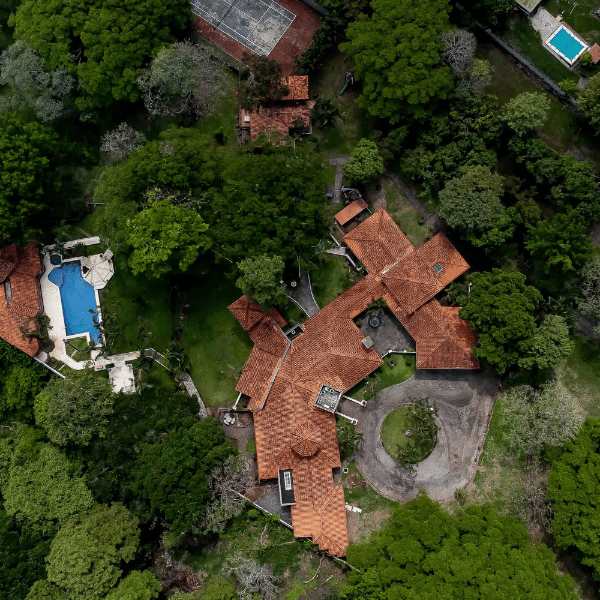
While suburban luxury living properties typically present fewer environmental obstacles, properties in rural, mountain, coastal, or jungle settings require a much more intensive technical review, underscoring the need for local expertise for a successful investment.
Costa Rica Property Ownership: Corporation vs Personal Title
For strategic reasons, investors in Costa Rica regularly own real estate through corporations, like Sociedades Anonimas (S.A.) or Sociedad de Responsabilidad Limitada (S.R.L.). The property transfer, which takes place through a share purchase, is made simpler by this corporate structure of ownership. As well, it boosts privacy, simplifies estate planning, and protects personal assets from liabilities.
As a result, buying a property owned by a corporation or Sociedad Anonima involves a share transfer, which calls for careful research into the corporation's tax situation and obligations, as well as advice from an experienced Costa Rican lawyer.
But you must verify:
- Who the shareholders are
- Who has the legal authority to sign
- Whether corporate taxes and declarations are current or in arrears
- Whether there are mortgages, liens, annotations, or pending legal claims left from previous ownership models
A secure real estate transaction requires your legal representation to examine the property's title history, ideally for at least ten years, to identify any encumbrances or defects. In addition, verification of municipal taxes, condominium fees, utilities, and corporate standing (if applicable) is essential to confirm there are no outstanding arrears or compliance issues prior to closing. If something appears on the contract, it matters.
Water Setbacks and Environmental Restrictions in Costa Rica Real Estate
Water related restrictions have become one of the most common transaction disruptors of tropical modern houses Rivers, creeks, springs, and even captured water sources can trigger mandatory setbacks. These are regulated through systems such as the Ministerio de Ambiente y Energía (MINAE) and certifications issued by the Instituto Nacional de Vivienda y Urbanismo (INVU).
Setbacks can range from 10 meters to 200 meters, depending on the water source.
A proper due diligence process includes:
- Checking official water mapping systems
- Requesting setback certifications
- Sending a licensed topographer to verify boundaries and physical conditions
- Confirming that the cadastral plan matches reality
Some properties are fully developable. Others come with serious limitations and risks.
Old Constructions and Missing Permits
The lack of easily accessible building permits is a common obstacle when acquiring older properties, especially in coastal or rural settings. A property's lifespan does not guarantee that it complies with the law, which is why due diligence is needed to verify municipal records, make sure built structures are correctly represented in property taxes, and adhere to local zoning new regulations, setback, coverage limits, and land use permissions.
Real Estate Representation in Costa Rica Real Estate
At 2Costa Rica Real Estate, we have more than 50+ agents in Costa Rica, which means we can protect more than one area and promote more than one market. We don't have to stay in "our area." That freedom lets us look at the whole country more objectively and help you find the area that best fits you, your family, lifestyle, and investment profile, whether it is on the coast, in the mountains, in the city, or in the country.
We focus on placing you in the region that aligns with your objectives, not on selling a specific territory. Each area in Costa Rica offers different advantages, whether that is community infrastructure, exclusivity, livability, rental performance, or appreciation potential.
Our structure allows us to evaluate the market objectively and guide you toward the location that best supports your financial goals and personal lifestyle.
All information provided by 2Costa Rica Real Estate, including market insights, pricing commentary, investment discussions, and lifestyle-related content, is intended for informational and educational purposes only. It is not intended to be, and should not be construed as, personalized investment advice or a recommendation to make any specific decision. This website content does not constitute an offer, solicitation, or suggestion to buy, sell, or invest in financial or real estate assets. It is not a promotional document for any specific investment. Any references to market performance, appreciation, rental income, or investment possibilities are for illustrative discussion only, based on past or hypothetical conditions, and do not represent a promise, projection, or guarantee of future results. All real estate investments involve risk, including but not limited to the potential loss of principal invested. Individual outcomes may vary based on factors such as local and global economic conditions, changes in law and taxation, currency fluctuations, property-specific issues, financing terms, and personal circumstances. Readers are strongly encouraged to consult with qualified and licensed professionals in Costa Rica, including a licensed real estate broker, a practicing attorney (abogado), and a certified accountant (contador público), before making any investment or real estate-related decisions. 2Costa Rica Real Estate disclaims all liability for losses or damages arising from reliance on the information contained herein.