Given global uncertainty and escalating costs, in the U.S., a growing number of Americans are seeking to relocate to stable environments for living and investing abroad. Costa Rica is an increasingly strategic choice that offers precisely this alternative.
Costa Rica's investor visa, known formally as the Inversionista or now the Golden Star residency, has been the subject of considerable interest since the country modernized its immigration framework under Law 9996 in 2021, a reform designed to attract foreign capital in the wake of the pandemic.
The program is accessible and genuinely flexible compared to other regional options in Latin America. At 2Costa Rica Real Estate, we provide straightforward answers to the most crucial questions for anyone considering a move and investing in Costa Rica Real Estate.
What does the Investment Visa in Costa Rica program require?
The qualifying investment now requires a total price point of $150,000 USD. This applies to investments in real estate, active businesses, shares/securities, or sustainable tourism infrastructure, under specific conditions.
When purchasing property in Costa Rica, while the annual property tax is an advantageous 0.25%, serious investors must factor in additional expenses. These include closing costs, potential Homeowner's Association or residential fees, regular maintenance, and any relevant luxury taxes A crucial part of the process is mitigating risk by ensuring all transactions are handled through a trustworthy escrow service and that you remain strictly compliant with both Costa Rican and U.S. financial regulations. Cutting corners on these compliance and funding procedures is highly discouraged.
Can I become a resident with any property worth $150,000?
After going through the homologation process, there are a lot of different types of property that can qualify for your residency and new life in Costa Rica. Residential homes, condos, titled land, farmland, and commercial property all qualify as long as the purchase price is at least $150,000 and the property is properly titled and free of mortgages or other debts.
Whether you’re after beach life, countryside tranquility, or a Mountain lifestyle, Costa Rica offers real estate options that stretch far beyond expectations for the price point.
Can you Include Family in Residency Applications?
Yes. The Investor Program covers your spouse, children under 25, and disabled parents/siblings as "dependents." The $150,000 investment covers the family, but each member has separate legal filing fees.
To qualify for the investment visa through property purchase, the minimum municipal value of the real estate must be at least $150,000.
Requirements regarding the property value:
- Single applicants: The minimum required value is $150,000.
- Married couples: The minimum total value for the couple is $150,000.
- Unmarried couples/Multiple applicants: Each individual must invest a minimum of $150,000. For example, two unmarried individuals would need a total investment of $300,000.
After purchase, if the declared municipal value was previously less than $150,000, you must ask your lawyer to assist in filing a new "declaración de bienes inmuebles" to reflect the purchase price and meet the minimum requirement. Additionally, the property must be lien-free, meaning it cannot have an existing mortgage.
What happens once the visa expires, and how long does it last?
The initial grant is a two year temporary resident visa. It is renewable as long as the investment is maintained. The candidate is qualified to apply for permanent residency after three years of continuous temporary residency, with a minimum of one day of physical presence required each year. Once received, the permanent permit is valid for 5 years and can be extended indefinitely. The sole upkeep requirement is a quick yearly trip to Costa Rica lasting at least 72 hours, a way of upkeep everything in check with your resident status.
How does the tax system operate?
Costa Rica collects territorial taxes. Only income generated within Costa Rica is subject to revenue for both residents and non residents. Local taxes do not apply to international income, such as dividends from overseas, rental income from foreign property, or capital gains from foreign assets.
Costa Rica Citizenship versus Costa Rica Residency
Yes, but not right away and not automatically. To become a citizen through naturalization, you must live legally in the country for seven years and be physically present for more than 183 days each year.
To be considered, applicants go through a series of evaluations in which they show Spanish proficiency, complete tests on Costa Rican history and civic values, and bring two witnesses who can vouch for their character and way of life. Naturalised citizens don't need to give up their initial citizenship; dual nationality is common amongst almost every expat.
For investors who ultimately pursue naturalization, the Costa Rican passport currently offers visa free or visa on arrival access to approximately 163 countries. It ranks among the stronger passports in Central America and provides meaningful access for business travel.
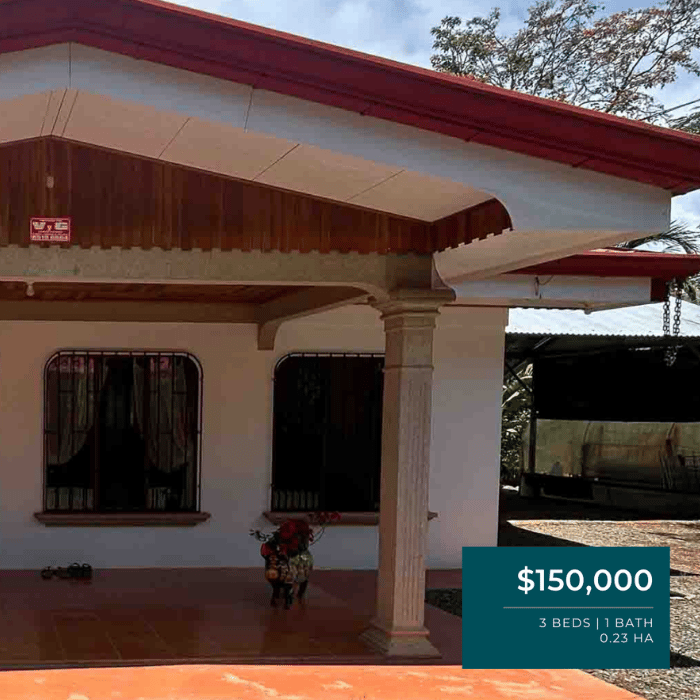
Check out this $150K Investment in Costa Rica
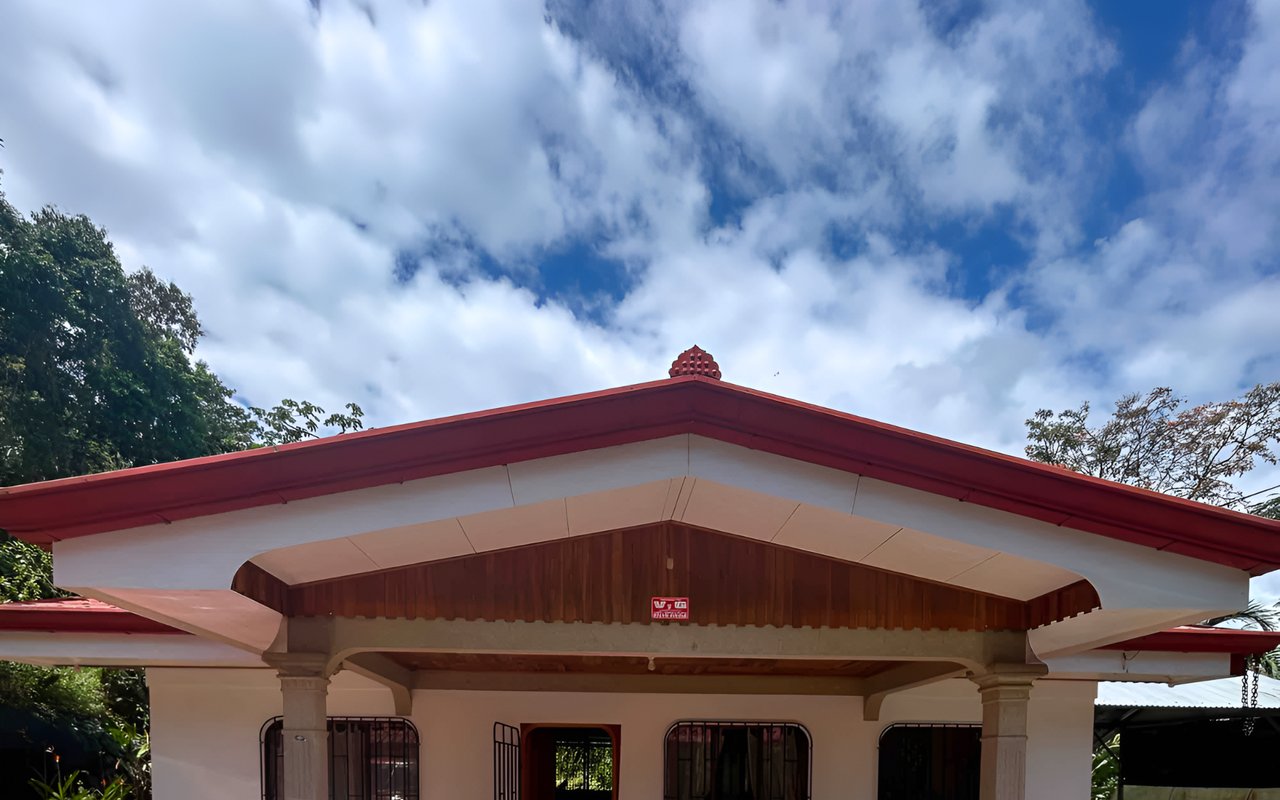
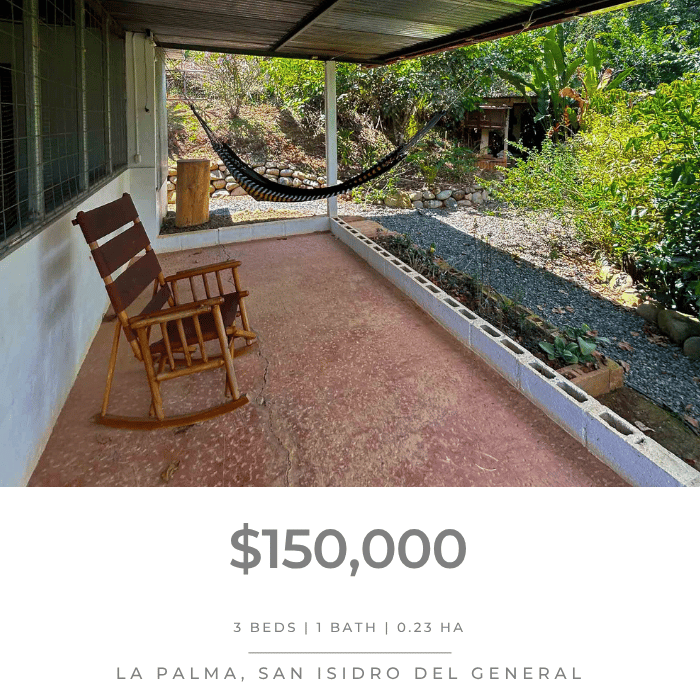
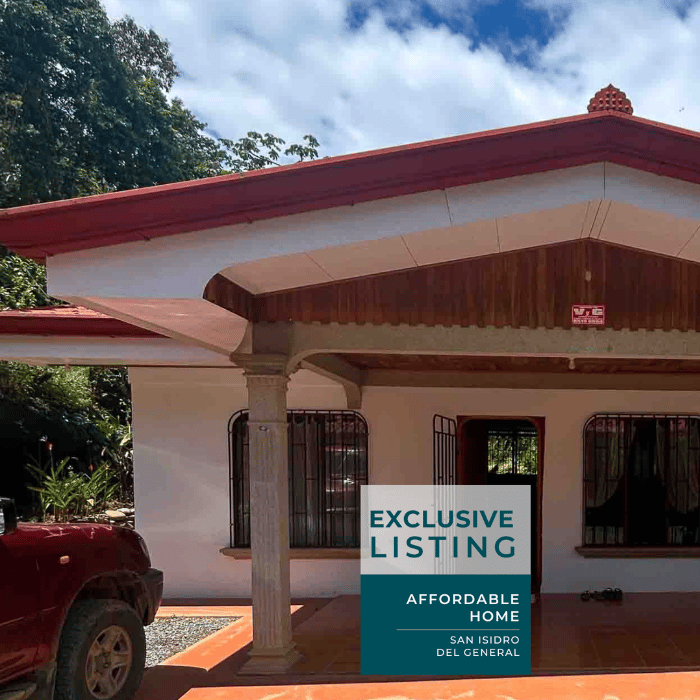
A property like this Affordable Home San Isidro in Perez Zeledon, listed at $150,000, sits right at the minimum threshold required for Costa Rica’s investor residency program, making it a practical entry point for buyers looking to align real estate with residency goals.
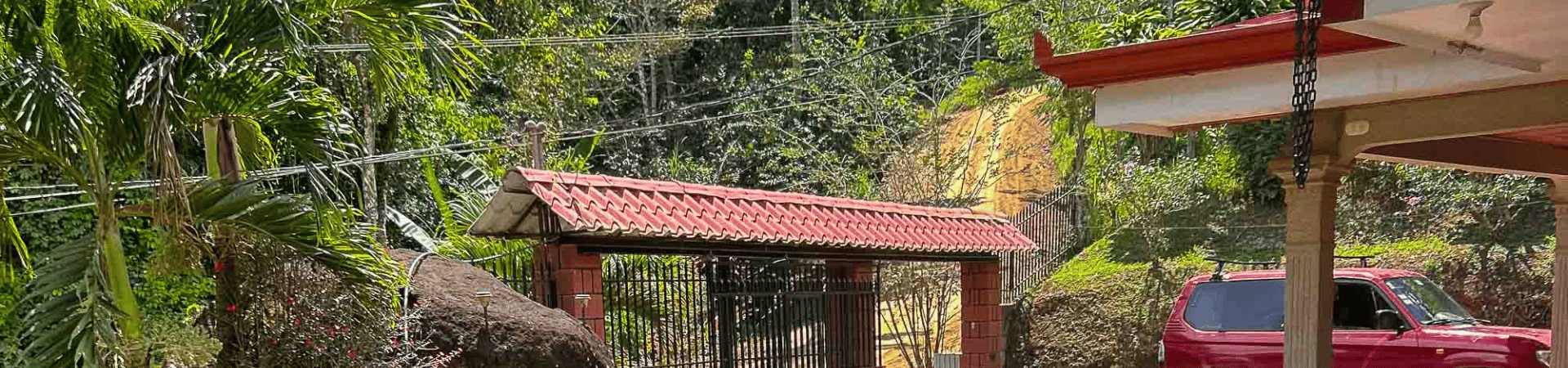
With 3 bedrooms, solid concrete construction, and features like a greenhouse, covered parking, and outdoor living spaces near a year-round creek and the Río General, it offers both livability and long term potential in the Pérez Zeledón real estate.
Property Rights as Costa Rican Citizens or International Investors
Foreign investors enjoy full and equal rights with local citizens in all real estate transactions. This includes the ability to purchase, sell, rent, mortgage, and inherit property in Costa Rica without the need for a local partner or co owner. This consistent policy makes Costa Rica's property ownership framework one of the most foreigner-friendly in Central America.
Legal and Financial Considerations When Buying Property
When buying real estate in Costa Rica, the deal is only as secure as the structure behind it. What really matters is having a reliable escrow account, an experienced real estate agent, and strong legal representation.
From a real estate perspective, how you structure your purchase can also impact your long term plans in Costa Rica, including residency options. While some buyers try to rely on tourist visas, that approach is increasingly unstable and doesn’t align well with owning property long-term.
Without residency, you’ll face limitations that can affect your ability to fully use and manage your investment, from banking to basic services. Bottom line: if you’re buying property with any intention of spending meaningful time in Costa Rica, your legal, financial, and ownership structure needs to be set up correctly from day one.
Considering the Costa Rica Investor Visa?
How you structure your real estate investment matters. Get clear on your investment, timeline, and requirements before you move forward.
Schedule a consultation with 2Costa Rica Real Estate Experts and Advisors.
The materials and information available on the 2Costa Rica Real Estate website are provided “as is” and “as available”, without any warranties, express or implied, of any kind. This includes, but is not limited to, implied warranties of merchantability, fitness for a particular purpose, accuracy, timeliness, completeness, or non-infringement. By accessing and using this site, you expressly agree and acknowledge that any reliance upon the content is solely at your own risk. Any decisions you make based on its content are your sole and exclusive responsibility. 2Costa Rica Real Estate does not provide legal, financial, tax, medical, or investment advice, and no content on this website should be relied upon as such. Regulations, real estate practices, and market conditions in Costa Rica can change without notice. We make no warranties regarding the accuracy or timeliness of the information presented and expressly disclaim any and all liability for any direct, indirect, special, consequential, or punitive outcomes, losses, or damage of any kind resulting from, or in any way connected with, the use of or reliance on this information. You must obtain advice from your own qualified, licensed, and independent professionals in Costa Rica before entering any real estate transaction or financial commitment. Nothing on this website creates a client, agent, or fiduciary relationship between you and 2Costa Rica Real Estate.