
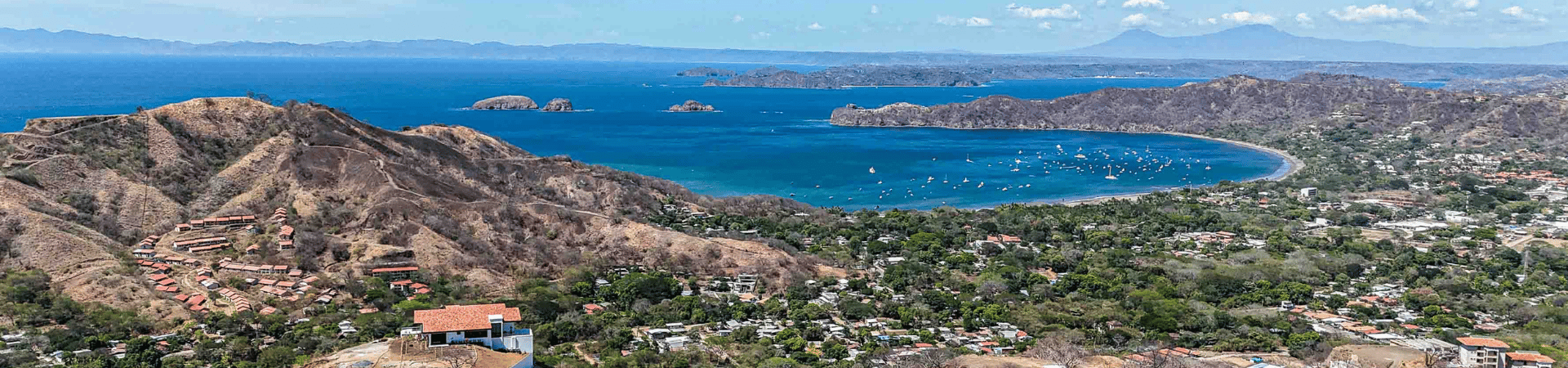
At 2Costa Rica Real Estate, one of the most reputable real estate companies in Costa Rica, informed buyers make confident decisions. The insights in this piece come directly from an in-depth conversation with one of our long-standing legal partners, Invicta Legal, experienced Costa Rica real estate attorneys who have guided hundreds of successful property transactions and seen firsthand what can go wrong when buyers underestimate restrictions.
Buying real estate in Costa Rica offers incredible opportunities for both locals and foreign investors, but the acquisition process involves specific legal, environmental, and fiscal restrictions that can make or break your investment.

Costa Rica Property Title Restrictions: What Every Buyer Must Verify
The foundation of any successful Costa Rica real estate purchase starts with a clean property title. A beautiful beachfront lot or mountain estate means nothing if the legal documentation has hidden problems.
Essential Title Search Requirements in Costa Rica
Your Costa Rican attorney should conduct a minimum 10-year title history review, specifically examining:
Gravámenes and annotations that can derail your purchase include old donations never properly cancelled, mortgages marked “paid” but still registered, judicial annotations, and precautionary measures. Real estate attorneys in Costa Rica regularly encounter cases where an incomplete donation from decades ago suddenly resurfaces as a legal dispute, even when all parties assumed it was resolved.
Critical rule for Costa Rica property buyers: Any suspicious annotation must be completely resolved and officially lifted before closing. Hoping an old mortgage or donation disappears after your transfer is registered invites future litigation and jeopardizes your ownership security.
Costa Rica Corporate Property Ownership: Hidden Complications
When acquiring Costa Rican real estate, especially when the property is held under a corporation, which is a very common and often recommended practice for foreign purchasers, it is critical to be aware of the specific corporate compliance regulations that introduce additional legal and administrative constraints. This structure, while offering liability protection and facilitating future sale or inheritance, mandates adherence to several key obligations.
- Shareholder registry books must be physically located and current: cases where 50% of shares remain under an ex-partner, or side party living abroad, are surprisingly common in Costa Rica.
- Beneficial owner declarations to Costa Rica’s Central Bank must be updated, or the property transfer cannot be registered.
- Corporate good standing is mandatory: missing corporate books or incorrectly recorded shareholders will delay or block your Costa Rica property closing until everything is regularized.
Your legal team is reviewing your Costa Rica property and verifying whether the title and corporate structure can legally transfer to you without complications.

Environmental Restrictions on Costa Rica Real Estate: Water Setbacks and Building Permits
Construction projects are severely impacted by Costa Rica’s rigorous property development rules, which are driven by strong environmental preservation. These laws include obligatory setbacks and strict regulations protecting water bodies. The possible building envelope is frequently reduced by mandatory setbacks, which specify the minimum distance needed between a construction and boundary lines or natural features, especially in environmentally sensitive locations.
The legal notion of a “protected zone” requires that no development take place within a certain, frequently significant, distance of streams, rivers, lakes, and the ocean. This regulation is crucial for avoiding erosion, filtering pollutants, and maintaining important ecological pathways. These regulations highlight Costa Rica’s steadfast dedication to sustainability and its stellar reputation for wildlife preservation, even while they pose difficulties for developers.
Costa Rica Water Body Restrictions: MINAE and INVU Requirements
Costa Rica has systematically mapped and protected rivers, creeks, springs, and captured water sources for public use. Two critical systems affect property buyers:
- MINAE water viewer: georeferences all registered water bodies in Costa Rica.
- INVU setback certifications: increasingly include rivers, creeks, and potential springs that restrict construction.
Restrictions for Costa Rica Property Sellers
Each water body type has specific no-build setbacks: 15 meters from creeks, 100 meters from permanent springs, and 200 meters from captured public water sources. If these setbacks overlap your intended building site or existing structures, your usable property area can shrink dramatically. Popular destinations like Tamarindo, known for their contemporary coastal homes and lifestyle appeal, face particularly stringent water body setback requirements that can significantly impact vacation property investment potential on beachfront or riverfront lots.
Costa Rica’s environmental databases are continuously updated with new water body inventories. Properties that previously showed no restrictions now frequently appear with newly mapped creeks or springs, creating unexpected complications for buyers.
Mislocated or poorly georeferenced water bodies present another challenge; a creek actually 200 meters away may appear within your property boundaries in Costa Rica’s system, generating permit denials until the record is corrected.
Costa Rica Building Permit Challenges for Existing Construction
Older Costa Rican properties often lack proper building permits, or municipal records have been lost. For these situations, Costa Rica real estate attorneys recommend:
- Verifying the structure respects all Costa Rica zoning setbacks (front, lateral, rear), coverage percentages, and water body distances
- Confirming the construction is properly declared for Costa Rica municipal taxes and the luxury tax (impuesto solidario), where applicable
- Understanding that if the unpermitted building also violates setbacks or sits too close to water bodies, legalization may be impossible, leaving you with a legally vulnerable Costa Rica investment
Costa Rica Property Survey Requirements: Registry vs. Reality
A common issue arises when Costa Rica’s official registry records, cadastral plans, and on-the-ground measurements don’t align.
Costa Rican real estate attorneys report an increasing frequency of discrepancies between:
- The cadastral plan is registered with Costa Rica’s property registry
- The Sistema de Información Registral database
- The actual measured property boundaries on the ground
These differences matter significantly because infrastructure, easements, and development plans depend on precise boundaries. Correcting registry errors in Costa Rica can take months, delaying or conditioning your sale.
Essential for Costa Rica buyers: A professional topographic survey is core due diligence that confirms exactly where your property starts and ends, whether it matches official Costa Rica records, and whether encroachments could restrict your intended use.
Tax Compliance Restrictions When Buying Costa Rica Real Estate
Tax compliance creates another layer of restrictions that often catches Costa Rica property buyers by surprise late in the transaction process.
Required Tax Clearances for Costa Rica Property Transfers
Both the Costa Rican property and any owning corporation must be current with:
- Municipal property tax and service charges in Costa Rica
- Luxury tax or impuesto solidario, for high-value Costa Rica properties
- Corporate tax obligations for the owning entity
- Income tax and VAT if the Costa Rica company operates rentals or commercial activities
Costa Rica’s Solidary Responsibility Law: Buyer Liability
Under Costa Rica’s responsabilidad solidaria framework, unpaid taxes that are “vencidos y exigibles” (due and enforceable) can follow the property to its new owner.
Even if you didn’t generate the debt, Costa Rica’s tax authority can treat you as responsible for verifying tax compliance before purchase. If you failed to check, you may inherit the previous owner’s tax problems.
Fiscal non-compliance also blocks Costa Rica’s property registry actions. Missing beneficial owner filings or unpaid corporate or municipal obligations will stop your property transfer from being registered until they are resolved.
Fraud Prevention When Buying Land in Costa Rica
Costa Rica property fraud risk is real, especially for vacant or unattended land that foreign owners don’t visit regularly.
Common fraud targets in Costa Rica:
- Valuable urban vacant lots
- Rural fincas whose owners live abroad or visit infrequently
Protecting Your Costa Rica Property Investment
Costa Rican real estate attorneys recommend:
- Register for Alerta Registral: Costa Rica’s property alert system that notifies owners of any title movement
- Keep Costa Rica property clearly fenced and signed with visible contact information so third parties cannot easily impersonate owners
- Verify the seller’s identity, documents, and complete chain of title match Costa Rica’s registered ownership with no suspicious recent activity
- Opt to work through a U.S.-based Escrow Agency
- Work with a knowledgeable advisor and choose the right real estate agency

Ready to Invest in Tamarindo Real Estate?
Discover contemporary coastal homes perfect for surf town living and vacation property investment. Our experienced team at 2Costa Rica Real Estate specializes in Tamarindo properties and will guide you through every legal requirement to ensure a secure, successful purchase. Contact us today to find your dream coastal property in Costa Rica's most sought-after beach destination.
How to Successfully Navigate Costa Rica Real Estate Restrictions
The Costa Rica property acquisition process is defined not only by the promise of your dream property, but by the legal, environmental, and fiscal restrictions embedded in Costa Rican law and practice.
Your Costa Rica Property Buying Checklist
To successfully purchase real estate in Costa Rica, buyers should:
- Treat due diligence as mandatory: Legal, environmental, topographic, and fiscal reviews are not optional for Costa Rica property purchases.
- Work with Costa Rica real estate specialists: Use attorneys who specialize in Costa Rican real estate law, not generalists, and reputable technical professionals.
- Take government systems seriously: Anything appearing in MINAE, INVU, SIR, or Costa Rica’s tax systems is relevant.
- Build in flexibility: Factor extra time into your timeline, especially for rural, coastal, or environmentally sensitive Costa Rica locations.
Buyers who understand Costa Rica’s legal landscape early can focus on properties that not only fit their goals but can move through the acquisition process cleanly, giving them long-term security in one of the world’s most beautiful countries.
Ready to buy property in Costa Rica?