By Nathalia Romero Sanchez, Real Estate Writer | Published on Jun 5, 2026
When buying Costa Rica real estate, water access and water related encumbrances have become some of the most critical components of due diligence. In recent years, government institutions have been digitizing, mapping, and inventorying more and more data on water bodies and environmental protection. Good for solidifying the investment of the country, but it also means buyers and sellers are now facing issues that simply didn’t appear on the radar a decade ago and can make or break a deal.
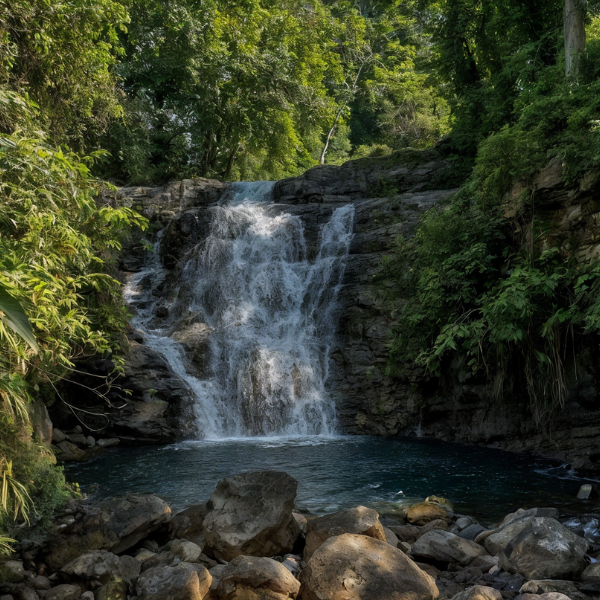
Water Access in Costa Rica: No Longer "Just a Detail."
In Costa Rica, water accessibility directly impacts where you can build, how much property inside your lot is usable, and whether there can be a construction permit in that one dream spot.
The two main entities that regulate and oversee water accessibility are:
- MINAE: Departamento de Aguas:
Manages the water viewer, a geospatial system showing registered water bodies like rivers, streams, springs, and wells.
- INVU: Instituto Nacional de Vivienda y Urbanismo:
Issues certificaciones de retiros constructivos, including water related construction setbacks.
Understanding Water Bodies and Construction Setbacks in Costa Rica
Not all water bodies are treated equally; depending on what’s identified on or near your property, the mandatory setback or “retiro constructivo” can vary significantly:
- Streams and creeks: Setbacks commonly range from 10 15 meters, sometimes more, depending on topography and location.
- Rivers: Typically, larger setbacks; the exact distance depends on classification and context.
- Springs: Regular spring: usually a 100 m radius protection area; this is an emerging practice in application. Captured spring for public use (naciente captada): up to a 200 m radius if used for community or public supply (by AYA or an ASADA) or any formally registered community water system.
These radial setbacks can completely cover a building site, terrace, or development plot. In some cases, a single spring or possible spring can effectively neutralize the development potential of a property.
Better technologies and conservative criteria are changing the real estate due diligence game in Costa Rica by continuously updating the MINAE water viewer with more features and having INVU certifications systematically apply setbacks, sometimes even assigning a 100m protection radius to points labeled as possible springs.
Why Sellers Must Address Water Encumbrances Before Listing
That means, before listing, checking the property in the visor de aguas, obtaining an INVU certification, confirming what appears in the cadastral plan and at the registry, and, ideally, commissioning a recent topographic survey.
Good practice for the seller’s team now includes:
- Proactively checking the property in MINAE’s visor de aguas INVU’s certification of setbacks
- Understanding if there are Registered water bodies that could limit development Springs (or “possible springs”) nearby Existing buildings within protected radial areas or past setbacks.
- Preparing a clean “due diligence package.”
- Updated cadastral plan with Topographic survey (especially for development land) construction permits and declarations (for built properties) Tax and municipal payments up to date corporate records clean and current, if using a company.
Combining these elements allows the seller and their own legal team to understand whether the buildable area they intend to market is actually free of protected zones. Setting realistic expectations with your team about what your investment and development objectives are can help you weed out the options and find one that fits your investment criteria.
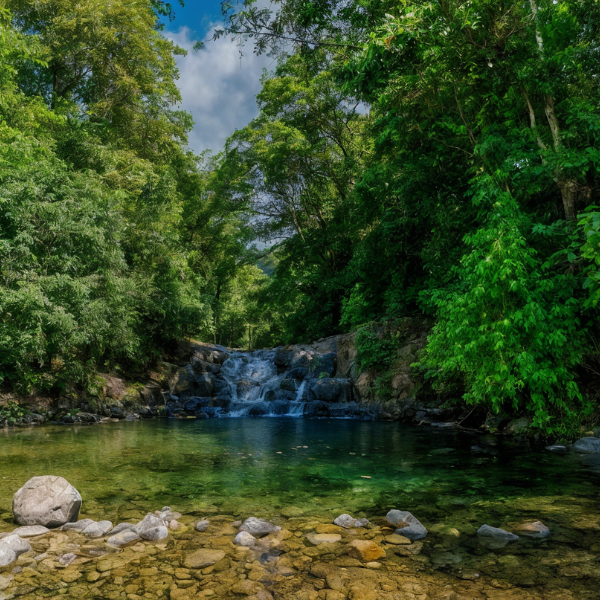
Practical Due Diligence Tips for Foreign Buyers in Costa Rica
For those looking to invest in Costa Rican property from abroad, it is essential to adjust your perspective.
Taking into account the multiple environmental regulations in Costa Rica, the country has stronger regulations for the development of jungle luxury residences in some areas.
- Costa Rica is coming to a much more regulated and governed market.
- Prioritize due diligence. Properties in rural areas might have all the natural features you want but have strong environmental policies for development, height, or development area.
The Right Professional Team for Buying Property in Costa Rica
Working with an agency that understands local zoning nuances, environmental setbacks, and due diligence is essential. Equally important is having strong legal representation with local experience in Costa Rica's environmental and real estate law to help you identify encumbrances that don't always surface in a standard title search.
For raw land or development projects, a licensed topographer rounds out the team, surveying the property, physically locating water bodies and springs relative to your buildable area, and producing an updated cadastral plan that reflects actual conditions on the ground, not what was registered years ago.
The Right Professional Team for Buying Property in Costa Rica
In Costa Rica, the issue of water easements and access rights often presents itself as the biggest risk associated with property transactions. With greater scrutiny by the government, both buyers and sellers must focus on environmental protection, setback issues, and water mapping.
Combining all of these aspects through proper knowledge of legal and technical expertise related to the real estate field, what may seem like an intimidating bureaucratic process can be transformed into a risk assessment system.
SOURCES:
-Interview held by 2Costa Rica Real Estate, Nathalia Romero to the Invicta Legal Team.
Relevant sources:
All information provided by 2Costa Rica Real Estate, including market insights, pricing commentary, investment discussions, and lifestyle-related content, is intended for informational and educational purposes only. It is not intended to be, and should not be construed as personalized investment advice or a recommendation to make any specific decision.
This website content does not constitute an offer, solicitation, or suggestion to buy, sell, or invest in financial or real estate assets. It is not a promotional document for any specific investment. Any references to market performance, appreciation, rental income, or investment possibilities are for illustrative discussion only, based on past or hypothetical conditions, and do not represent a promise, projection, or guarantee of future results.
All real estate investments involve risk, including but not limited to the potential loss of principal invested. Individual outcomes may vary based on factors such as local and global economic conditions, changes in law and taxation, currency fluctuations, property specific issues, financing terms, and personal circumstances. Readers are strongly encouraged to consult with qualified and licensed professionals in Costa Rica, including a licensed real estate broker, a practicing attorney (abogado), and a certified accountant (contador público), before making any investment or real estate-related decisions.
2Costa Rica Real Estate disclaims all liability for losses or damages arising from reliance on the information contained herein.