By Nathalia Romero Sanchez, Copywriter and SEO real estate writer | Wed 15, April 2026
Costa Rica has positioned itself as one of the best destinations in the world for sport fishing, turning into a million-dollar industry yearly from anglers and fishing tourists. There is a connection that exists between the fishing culture, the angling tourism, and the real estate industry: the main sport fishing areas operate in coastal areas and fishing communities.
In important fishing towns like Quepos, Jacó, Los Sueños, Tamarindo, and different areas of Guanacaste, this steady demand has emerged as a major force behind real estate ventures and new investments in these areas.
Given the consistent yearly demand, these Costa Rica luxury investment opportunities near top fishing locations draw in premium prices and show strong rental return possibilities.
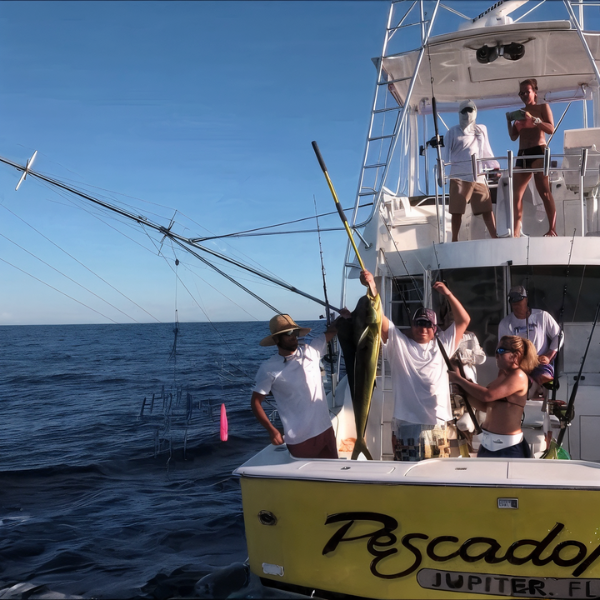
The Costa Rica Fishing Industry: Scale & Scope
The economic impact of recreational and sport fishing tourism in Costa Rica is important and growing exponentially. According to FECOP, the Costa Rican Sport Fishing Federation, the sports fishing sector contributes between $500 $520 million annually to the national economy, even more than commercial fishing.
The fishing tourism sector supports a large employment network, creating both direct and indirect job opportunities and bringing the communities and areas to life. For many Costa Rican and international coastal families, sport fishing on the coastline is the foundation of their lives and their communities.
The Tournament Scene
Costa Rica hosts many top Grand Slam sport fishing competitions each year, located around two of Costa Rica's most famous marinas. These prestigious competitions bring in anglers from around the world:
These include:
- Dorado Derby
in La Marina Pez Vela
- Dorado Derby
in La Marina Pez Vela
- Signature Triple Crown Series
in Los Sueños Marina
- Bisbee Tournament
in La Marina Pez Vela
The strong angler community and the fishing tournaments have made Costa Rica an international fishing hotspot, receiving worldwide media attention, drawing even professional anglers and celebrities, and continuously introducing new incomers. The tournaments generate regular attention to the different areas of the country and demand for local tropical modern homes , rentals, and tourism.
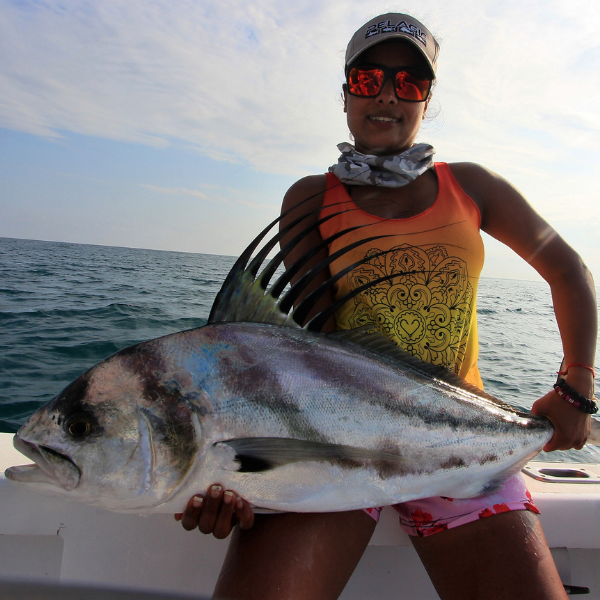
Most visitors are repeat customers and referrals, meaning consistent guest retention. Those who visit the place for fishing come back on a seasonal basis, and eventually end up investing in properties in their favorite area, due to their closeness with their fishing destination.
Catch and Release Culture in the Tournaments
Costa Rica's fishing tourism aims for sustainability, primarily through a catch and release policy. This is done for legal considerations about specific fish species, their environment, and the knowledge of the anglers themselves.
INCOPESCA is an independent body in the Costa Rican system that manages, regulates, and develops the fisheries and aquaculture sector sustainably. INCOPESCA formulates fishing policies, provides fishing and tourism permits, and undertakes scientific research to conserve marine resources.
Sustainability becomes an essential investment consideration when it comes to sport fishing environments, since the focus of the investment is dependent on the well being of the ecosystem.
Fishing Destinations in Costa Rica
Real estate near Costa Rica's fishing spots ranges from luxury marinas to developing areas, all with distinct regulations.
What matters is how each location combines its infrastructure and demand drivers. Things like how developed the marina port is, accessibility, communities, and how active the rental market is all shape pricing and opportunity.
1. Central Pacific
This area has the most developed infrastructure and boat traffic in the entire country.
- Marina Pez Vela in Quepos: The most modern, full service marina, which serves as an entrance to Manuel Antonio.
- Los Sueños Marina in Playa Herradura: The most famous and developed marina resort destination in Central America.
- Costa Rica Yacht Club in Puntarenas: An old facility located in the port of Puntarenas.
2. North Pacific
This area has experienced strong development and accommodates tourists arriving in from Liberia International Airport.
Marina Flamingo in Playa Flamingo: The newest large marina in the country
Marina Papagayo in Culebra Bay: A private marina facility located inside the Peninsula Papagayo compound.
3. South Pacific
This area is an entry point for vessels heading north from Panama and supports the deep South practices.
Marina Bahía Golfito in Golfito: A luxury beach lifestyle marina for sportfishing boats and megayachts.
Banana Bay Marina in Golfito: Another longtime, small marina port that serves fishermen and cruisers.
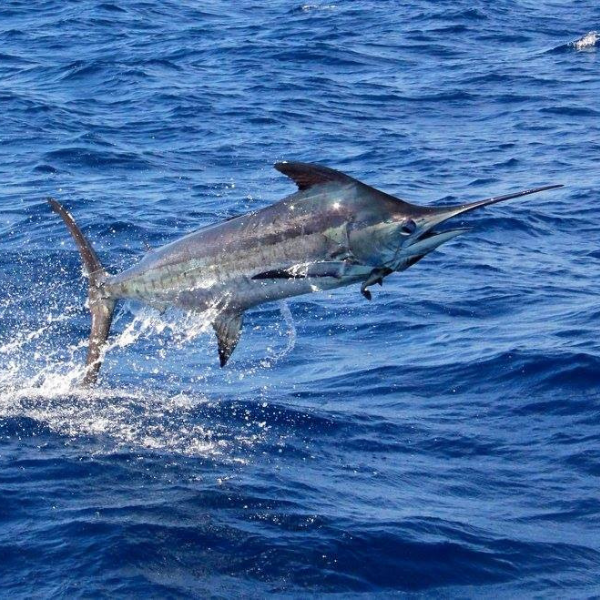
Fishing Tourism & Real Estate
After experiencing the unique fishing culture of Costa Rica, anglers often fall in love with the area and become property owners near the main ports or inside these communities. This group's real estate advantage is different from that of typical investors, driven by a passion for the location and the angling community. This distinction gives real estate for anglers a unique, predictable, and stable value.
Costa Rican real estate options that are close to a strong fishing marina hub come at a significant premium for strategic reasons. These include easy access to fishing charter services, nearby amenities like bars, restaurants, and shops, and a short-term rental market that is willing to pay a premium to be able to access the facilities of the marina.
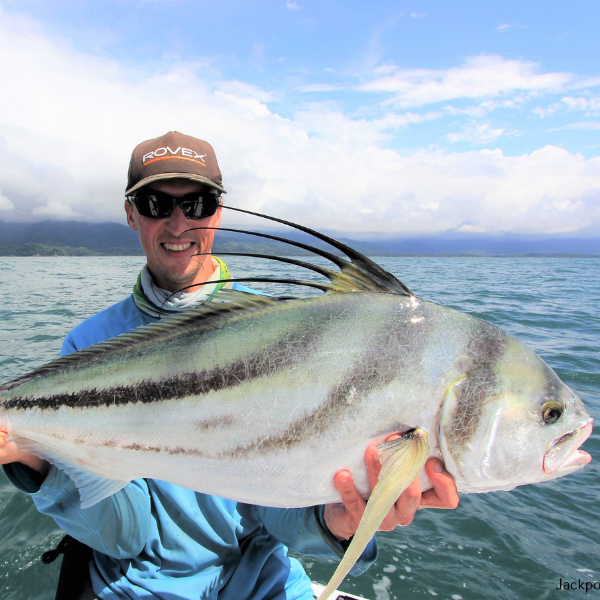
From Anglers to Property Owners: Real Estate Close to the Marinas Holds Unique Value
Properties near top fishing spots see a steady high demand based on species seasonality and tournaments. Depending on the season, it drives premium rates and high demand bookings and rentals.
Each coastal town is different in infrastructure, development, and future potential. Some are developed, where there are already marinas and luxury developments with strong tourism, making them better prospects for rental return investments. Yet, some areas, with recent infrastructure development, are just emerging.
Sport fishing significantly contributes to the economy of each location by affecting businesses all around the community. In addition to being beneficial to marinas and boat charters, its economic impact is seen across the entire community. The revenue created by fishing tourism is shared among local businesses, including restaurants, groceries, local markets, and shops.
Los Sueños and La Marina Pez Vela are examples of this dynamic as integrated marina resorts, with fishing infrastructure inside the community. Smaller marinas in Tamarindo, Quepos, and Playa del Coco serve as economic anchors for the surrounding real estate.
Modern Luxury Villa Near Marina
Pez Vela
Located within a secure gated community in Manuel Antonio Estates, this Modern Luxury Villa called Buddha Belly is a luxurious contemporary villa characterized by its ideal positioning, only a few minutes away from the Marina Pez Vela.
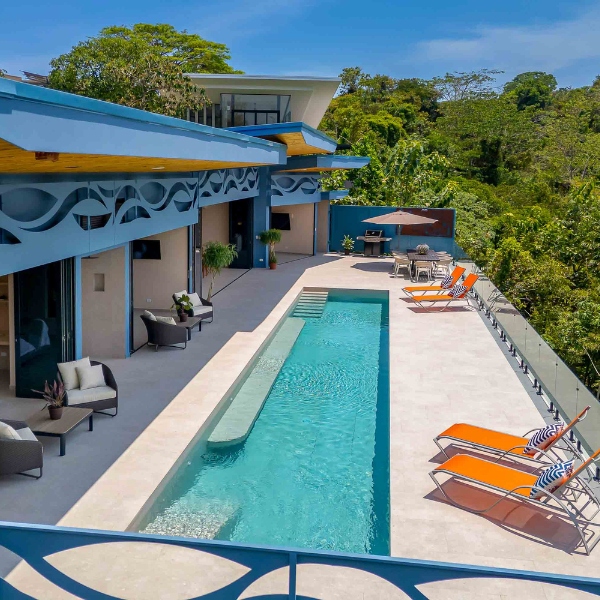
Residents can take advantage of the many amenities that the marina offers, including sport fishing, yacht charter, and dining. The villa features five bedrooms with full baths, extensive indoor and outdoor entertaining spaces, a large swimming pool, a fully equipped fitness center, a yoga studio, and several other entertaining venues, all enclosed with views of the Pacific Ocean. Contact us to schedule a private showing.
Bibliography
1. Marín Sandoval, H., & Villalobos Rojas, F. (2023). Guía de buenas prácticas para la pesca turística y deportiva en Costa Rica. Federación Costarricense de Pesca & Fundación MarViva.
https://fishcostarica.org/wp-content/uploads/2023/11/GuiaBuenasPracticasFinalDigitalIngles-1.pdf
2. Instituto Costarricense de Pesca y Acuicultura. (n.d.). Instituto Costarricense de Pesca y Acuicultura (INCOPESCA).
3. FECOP (Federación Costarricense de Pesca Turística). (2025, May 22). Central American Sportfishing Alliance aims to boost employment in vulnerable coastal areas.
4. Staley, T. (2022, March 1). Billfish angler’s guide to Costa Rica. Sport Fishing Magazine. https://www.sportfishingmag.com/story/travel/billfish-anglers-guide-to-costa-rica/