If you’re planning to live the “tico” lifestyle, the weather will play a massive role in your everyday routine. Despite being tropical, Costa Rica is not a one-size-fits-all country; each location has its distinctive climate. Knowing the variations in the weather and humidity levels can help you pick the ideal location, whether your ambition is to live near the beach, at a jungle retreat, or in a chilly mountain town.
The dry and rainy cycles can either be an inviting change or an unexpected challenge and setback for foreigners used to four seasons. Being prepared guarantees that your move will be thrilling but also comfortable and long-lasting. From organizing beach days and jungle hikes to knowing what to bring for your first rainy season, understanding the climate can help you decide where to start looking in homes for sale in Costa Rica.
Yes, you’ll adjust and probably fall in love with it.
What's the General Climate Like in Costa Rica?
Costa Rica's climate is tropical and warm year-round, but this does not imply that the country is the same all year round. The nation is divided into two distinct seasons: the dry season, "summer," occurs from November to April, while the rainy season, "winter," takes place from May to October. Due to the country's diverse geographical characteristics, which range from sunny beaches to rich mountains, you will find many microclimates throughout the country. Long days and hot temperatures are trademarks of the dry season along the Pacific Coast, whereas the Central Valley has cities like San José or Alajuela with year-round warm environments and cool nights. On the other hand, the weather pattern on the Caribbean side is more unpredictable, with precipitation falling more evenly throughout the year.
Weather by Region – How Does It Vary Across the Country?
Beach towns (Tamarindo, Santa Teresa) – Hot, sunny, and perfect for surfing or sunset strolls. Ideal for those who love barefoot beach living and vibrant expat communities.
Central Valley (Escazú) – Mild temperatures, cool breezes, and city comforts. Great for digital nomads, retirees, or anyone who prefers spring-like weather year-round.
Rainforest areas (Dominical, Manuel Antonio real estate ) – Lush, green, and humid with bursts of tropical rain. A paradise for nature lovers, yoga retreats, and eco-living. What is the best climate in Costa Rica for investing in Real Estate? It depends on your intent for your investment. For consistent vacation demand and sunny days, the Pacific beach towns lead the way. For stable, year-round living with a mild climate, the Central Valley is hard to beat. Your choice should match the lifestyle you’re looking for.
Rainy Season Myths: Is It Really That Bad?
Many locals and expats grow to love the rainy season as there’s less tourism and more exclusivity in the surrounding areas.
The green rainy season usually lasts from May to October and comes with daily afternoon storms that rejuvenate the environment without interrupting your day. While the rain normally falls in short, regular periods, the mornings are typically bright and sunny, which makes them ideal for beach trips or jungle hikes.
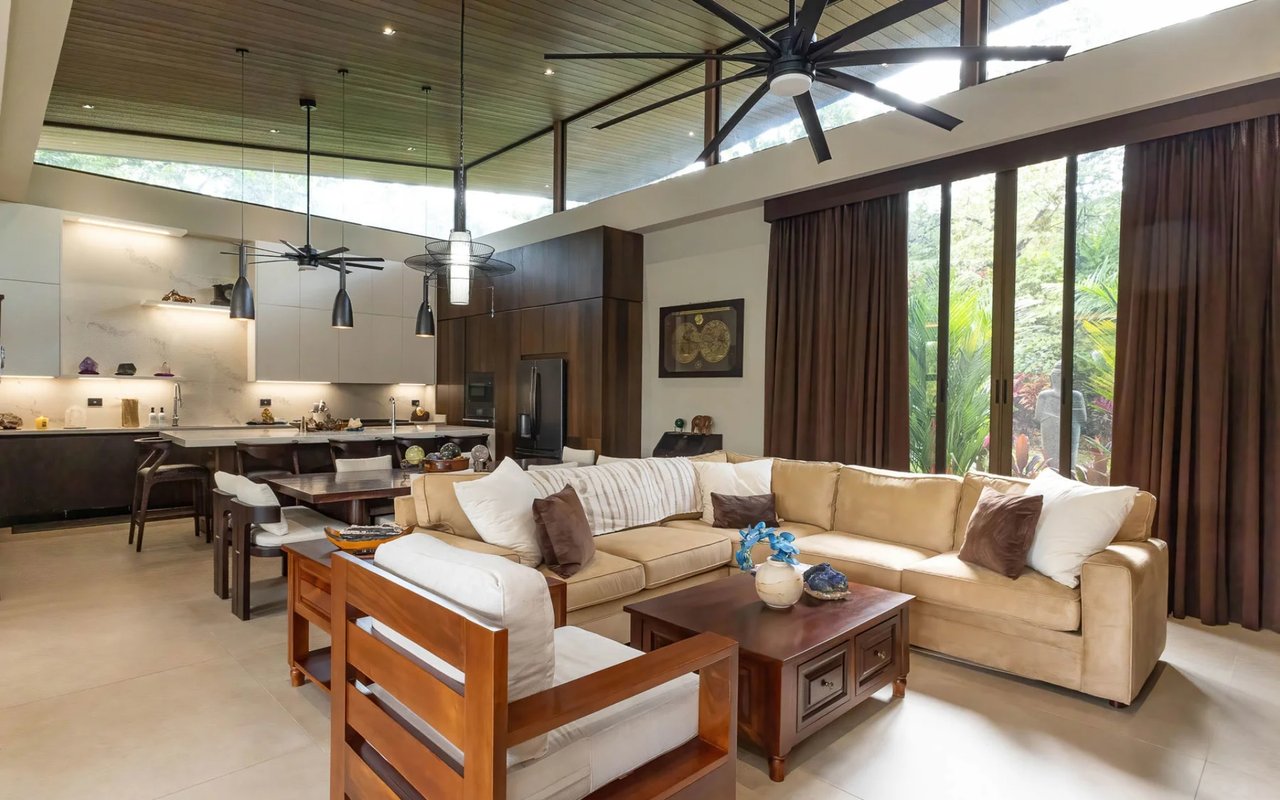
If the year-round warmth of Costa Rica’s lush green landscapes, warm ocean breezes, and a truly immersive natural experience, and found yourself interested in buying a beach house, Casa Namaste Tropical Luxury Villa in Manuel Antonio offers a rare blend of tropical luxury and climate-conscious design. Located in the prestigious gated community of La Reserva, this custom-built, four-bedroom villa embraces the surrounding rainforest with a layout that seamlessly connects indoor and outdoor living.
Heat, Humidity & Comfort – What Should You Consider for Real Estate in Costa Rica?
Costa Rica’s warm, humid climate is part of its tropical charm; when choosing or developing a luxury real estate project, the environment is yet another aspect to take into account. Intense sunlight, hot summers, high humidity, and salty coastal air can all have an impact on long-term durability, maintenance expenses, and building materials. Homes constructed with local hardwoods, adequate drainage, UV-resistant coatings, and ventilation systems that lessen the growth of mold and heat are part of the developing plan for a long-lasting investment.
The majority of coastal homes have ceiling fans and air conditioning; however, Central Valley homes often have cold breezes and might not need air conditioning. Rainwater collection, solar panels, and ecological design are becoming increasingly popular in high-end real estate in homes for sale in Costa Rica.
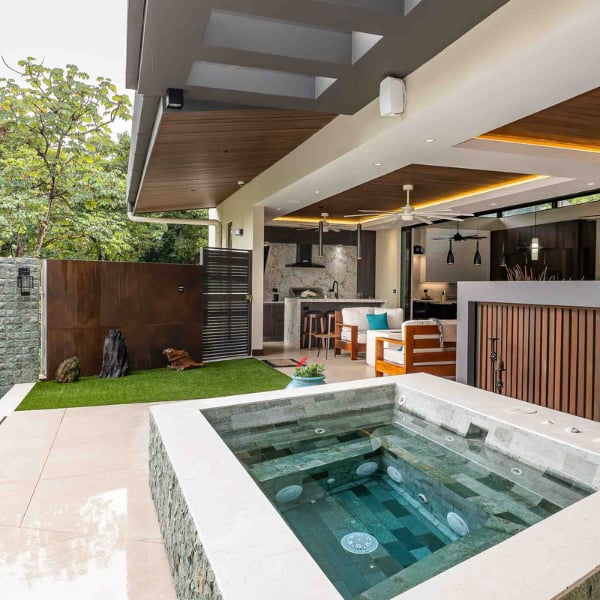
Since comfort and durability go hand in hand with enjoying a luxurious lifestyle in the tropics, it is essential to collaborate with knowledgeable local builders, agents, and realtors to guarantee the longevity of your investment in this tropical paradise. Even if it might not be a deciding factor, climate is still a significant factor.
At 2CR Real Estate, we understand the importance of considering climate, lifestyle, and long-term comfort when deciding to invest in Costa Rica. We provide clients with expert advice tailored to their goals.
Let us help you find the perfect property in the perfect climate. Contact us today to start your journey.
