By Nathalia Romero, Copywriter and Real Estate Writer 12/15/2025
For many, the ultimate tropical Costa Rica real estate fantasy centers on one irresistible vision: an iconic beachfront home where you can step directly from your front porch onto pristine white sand beaches that seamlessly melt into the ocean. As one of the world's premier tropical destinations, Costa Rica delivers on this dream with an exceptional selection of beachfront homes, villas, and condos. However, making the right investment decision requires working with an experienced realtor who understands the unique intricacies of Costa Rican property law, particularly the maritime zone law enacted in the late 1970s, which creates distinct ownership structures for beachfront real estate.
Costa Rica does offer fully titled beachfront ownership for villas, homes, beachfront condos , and raw development land. The vast majority of Costa Rica’s coastline consists of government-owned land that can be developed, used, bought, and sold exclusively through renewable leases with well-defined usage parameters.
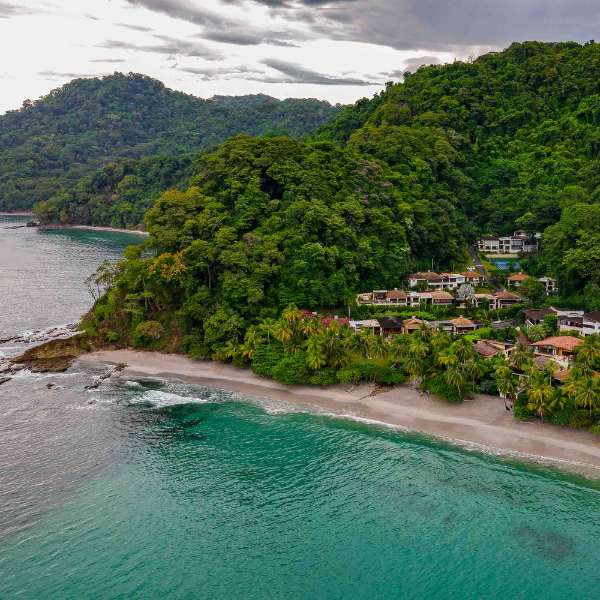
The regions with the greatest concentration of titled beachfront properties include Guanacaste and the Pacific coast towns of Jacó, Santa Teresa, Tamarindo, Herradura, and Puntarenas. Our team of experts is here to guide you through the pros and cons of each region, ensuring you can invest with complete confidence and security in your Costa Rican beachfront dream.
This information is a general overview and should not be considered legal advice. The ownership structure of the Maritime Terrestrial Zone (ZMT) is complex and requires consultation with a Costa Rican legal expert.
What exactly is the Maritime Zone, and how does it affect beachfront property ownership?
Costa Rica's Maritime Zone, Zona Marítimo Terrestre, is a 200-meter strip of land extending from the typical high tide mark along all coastal beaches. Established by Law 6043 in 1970, this system embodies Costa Rica's constitutional commitment to making beaches accessible to all, a policy that has an immediate impact on how seaside real estate works.
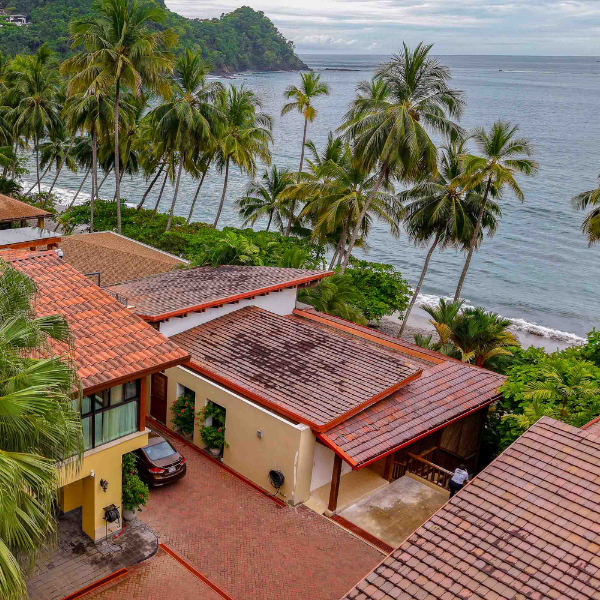
This 200-meter zone is separated into two portions with quite distinct laws. The Public Zone, Zona Pública, covers the first 50 meters from the high tide line. This territory belongs to the state and, in general, it cannot be privately owned, leased, or developed. It is zoned for public use, so Costa Ricans and visitors alike can enjoy the coastline without facing private property obstacles.
The remaining 150 meters constitute the Restricted Zone (Zona Restringida). Within this area, real estate opportunities are present, but with a significant distinction: the acquisition is not of land in the conventional understanding. Rather, one secures the right to utilize and develop the property through a concession system, which functions more like a long-term leasehold than outright ownership.
Concessions: Understanding What You're Actually Getting
A concession grants you the right to use and develop Maritime Zone land for a specific period, typically renewable every 5 to 20 years, depending on the municipality. These concessions can be bought, sold, inherited, and even used as collateral for loans. They function similarly to long-term leases, but with municipal governments rather than private landlords as the ultimate authority.
The financial structure differs from standard real estate transactions. You’ll pay an annual concession fee to the municipality, usually calculated as a percentage of the land’s assessed value. If you build structures, you’ll also pay a development canon. There are ongoing obligations that need to be factored into your long-term financial planning.
Who Can Actually Hold These Concessions?
- Direct Holders: Costa Rican citizens. Individual Costa Rican citizens have the most direct route to applying for concessions. Foreign individuals and corporations often face significant restrictions and, in many cases, cannot obtain concessions directly.
- Costa Rican Corporations: Corporations registered in Costa Rica that have a majority Costa Rican ownership interest can often be the holders of concessions.
- Strategic Partnerships: Due to restrictions, it is common for foreign investors to form partnerships with a Costa Rican holder, attorney, or legal representative to structure the ownership of these concessions. These structures are operational but require extreme legal diligence and carry inherent risks.
- Acquisition of Existing Concessions: Most foreign buyers of property in the Maritime Terrestrial Zone generally acquire a concession that already exists and is in force. Therefore, the main focus of legal due diligence should not be on how to obtain a new concession, but rather on verifying the validity, terms, and current status of the concession already granted.
Can concessions be transferred to third parties?
From a legal standpoint, Maritime Zone land remains the property of the State. What is transferred in these transactions is not ownership of the land itself, but the concession rights granted over it. These rights may be assigned or transferred to third parties, subject to municipal approval and full compliance with the conditions established in the concession contract and applicable laws.
The most common method is to enter into a private contract for the sale of the seller’s concession rights. However, any change must be formally notified to the municipality, which must approve it. The municipality will only verify that the new owner meets the conditions established for holding a concession. Failure to comply with this requirement could result in the cancellation of the concession. All new concessionaires must comply with the conditions established in Law 6043 and with the terms of the concession contract.
The Application Reality: What It Actually Takes
Obtaining a Maritime Zone concession requires navigating municipal permits with detailed development plans aligned with coastal management policies of the area and environmental regulations. The municipality evaluates applications based on environmental impact, community benefit, zoning compliance, and the applicant’s financial capacity.
This process typically takes several months, often extending beyond a year for complex proposals. Environmental studies are frequently required, especially for larger developments. Costa Rica’s environmental protection laws mean projects must demonstrate minimal ecological impact and include concrete measures for waste management, water conservation, and wildlife habitat protection.
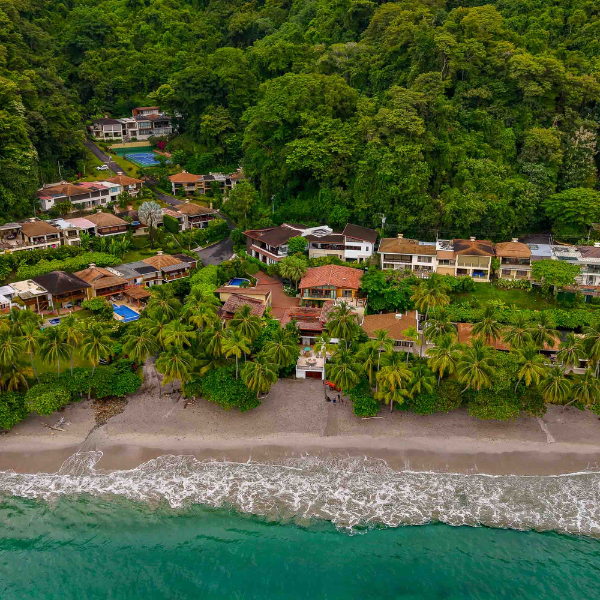
Step directly into a urban beachfront lifestyle in one of Playa Escondida’s most private and coveted settings. Homes with this level of finish, privacy, and direct access to a world-class beach and surf break simply do not come to market often. Schedule a private showing today and secure a this Luxury Beach Home residence that delivers both lifestyle and long-term value.
The Investment Equation: Opportunity and Risk
Maritime Zone properties are legitimate investments, often offering spectacular, actual beachfront locations, not just near the beach or ocean view. The rental ready investment market for these properties can be robust, particularly in established tourism areas. And despite the concession structure, these properties do appreciate and can be sold.
Well-structured concessions can work effectively when they are properly managed and remain in full compliance with applicable regulations, concession terms, and municipal requirements. While the concession system in Costa Rica is established and widely used, renewals are subject to regulatory review and ongoing compliance. For this reason, thorough due diligence, proper legal structuring, and responsible long-term management are essential to mitigating risk and maintaining concession rights.
Real risks appear almost exclusively when there are failures in the structuring or management of the project, such as:
- Lack of comprehensive due diligence
- Non-compliance with concession contract conditions
- Absence of a trust or legal vehicle for backup
- Legal or title problems from poor preliminary investigation
- Poor management by the concessionaire or development failure
Done right, the concession works wonders.
Where Title Actually Exists on the Coast
Not every coastal property in Costa Rica falls under Maritime Zone regulations. Some areas have titled property available through traditional fee simple ownership. These typically exist where private land ownership predated the Maritime Zone law or in inland coastal regions beyond the 200-meter mark.
This is why you’ll see properties advertised as “titled beachfront” commanding premium prices. They’re rare, they’re valuable, and they offer the ownership structure that most international buyers naturally expect. If you’re absolutely committed to traditional titled ownership, these properties exist, but you’ll pay accordingly and need to verify the title history carefully.
Certain areas have alternative structures, indigenous territories, specific protected zones, or communities with different land tenure systems. The coastal real estate landscape in Costa Rica is more varied than the simple Maritime Zone versus titled property dichotomy. This is yet another reason why working with agents who genuinely know the specific areas you’re interested in matters tremendously.

Beyond the Beach: Protection Zones Around Natural Features
While the Maritime Zone specifically governs coastal areas, Costa Rica extends similar protective regulations to other environmentally sensitive zones. If you’re eyeing property near rivers, lakes, waterfalls, or within or adjacent to national parks and biological reserves, you’ll encounter comparable restrictions that impact development rights.
Properties bordering rivers and streams typically face setback requirements ranging from 10 to 50 meters, depending on the waterway’s size and classification. Lakefrontage comes with its own regulatory framework, often including restrictions on docks, water access, and shoreline modification.
Areas near waterfalls or within watershed protection zones may have severe development limitations or outright building prohibitions to preserve water quality and natural ecosystems.
The Bottom Line: Is It Worth It?
Maritime Zone properties can absolutely be worthwhile investments and can provide the beachfront lifestyle many buyers seek. But they require going in with eyes open about what you’re actually buying and what ongoing obligations you’re accepting.
The concession system, despite its complexity, serves a legitimate purpose. It helps preserve coastal ecosystems while allowing sustainable development. It ensures beach access remains public, and it creates a framework where beachfront development happens with at least some level of municipal oversight and environmental consideration. Costa Rica’s beaches remain among the world’s most beautiful, and the opportunity to live on or near them is real.
Considering beachfront property in Costa Rica? Our team at 2Costa Rica Real Estate specializes in Maritime Zone properties and can guide you through the complexities of concession rights, due diligence, and market selection. Contact us to discuss your specific goals and explore properties that match your investment criteria and lifestyle vision.