
Due Diligence is an essential procedure for Costa Rica real estate transactions, particularly given the market's intricate and sometimes complicated nature. Its objective is to guarantee the ultimate feasibility of transactions by incorporating a comprehensive strategy focused on risk mitigation and robust buyer protection.
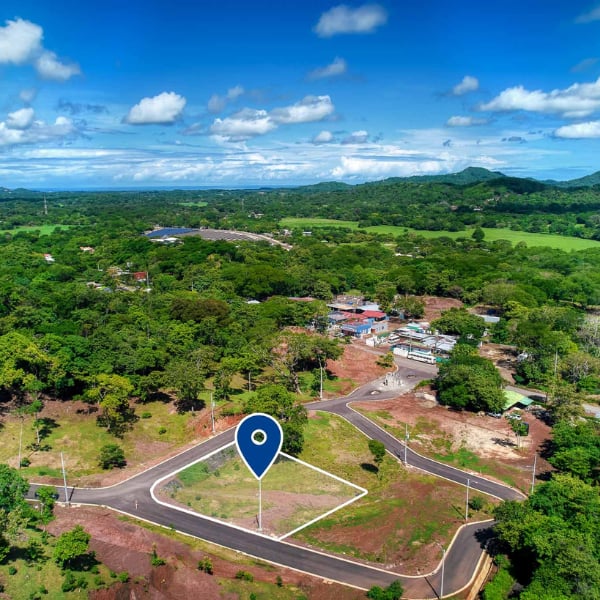
Due Diligence is the most essential preliminary part for a secure and safe real estate acquisition in Costa Rica. This examination scrutinises every aspect of a property, including its legal and environmental standing.
The process is designed to achieve: verify the seller's ownership, confirm the property's true value, identify and mitigate potential risks, and safeguard the buyer from unforeseen liabilities.
Review of Titles, Encumbrances, and Legal Status
Thorough due diligence requires a careful review of the property's registration history spanning the last decade. This scrutiny aims to uncover any irregular or problematic records, such as unresolved liens, seizures, or unpaid assessments. Any suspicious findings must be fully investigated and resolved before moving forward with negotiations. This proactive review is crucial for safeguarding the investment and preventing legal complications post acquisition.
Common Problematic Annotations
Before proceeding with any property purchase, it is essential to verify that the title is clear of any liens. If your property is owned by a corporation, it is as important to update the company’s records and identify the ultimate beneficial owners; this becomes particularly essential when foreign shareholders or former partners are present.
Complete, organized property documentation builds buyer confidence and speeds up legal review with:
- Uncanceled Donations: May require the acceptance of the beneficiaries.
- Mortgages Pending Registration: Even if the debt has been paid, the cancellation in the registry is mandatory.
- Judicial Orders: Can prevent transfer or affect the use of the property.
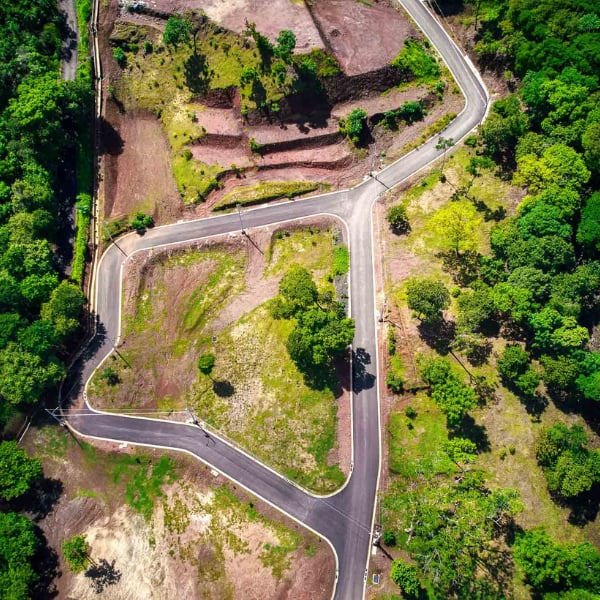
Environmental and Building Limitations
Technical due diligence primarily involves verifying property measurements. Cadastral plans might not match physical measurements, especially in rural hillsides or national park areas. The surveyor (topógrafo) is essential for understanding the real measurements with cadastral plans to identify discrepancies in boundaries, area, and structures.
Catching measurement errors early is vital. The surveyor matches the real measurements to official records. This is necessary because of the common discrepancies, like boundary disputes, incorrect fences, or undocumented property, which can put construction and the property at risk.
Official Tools and Sources
- Water Viewer (MINAE): For the georeferencing of water sources.
- INVU and municipality certifications: To verify land uses and other setbacks.
Understand the Taxes and Corporate Compliance
The review is not limited to the property; the seller must also verify payment of municipal, solidarity, income, and other taxes. There are several common cases:
- Overdue and enforceable debts of the seller.
- The buyer may inherit tax debts if they are not liquidated before the transfer.
- If a corporation owns the property, the tax status of that entity must be reviewed, including formal obligations such as informational declarations.
Permit in Real Estate in Costa Rica and License Review
During the due diligence process, it is necesarry to verify the existence and validity of all necessary permits and licenses, including construction permits, land use permits, and environmental licenses. Proceeding without these can lead to project delays or significant fines.
For large properties or development land, the buyer must confirm that the owning company is current with all tax obligations. Any existing tax debts could potentially be transferred to the new owner.
Buyers should be aware that legalizing unpermitted existing construction is a procedure that entails additional costs, fines, and inherent risks.
Client Communication and Risk Analysis
Once the risk level is determined, clients are offered multiple courses of action. These typically include negotiating an extension for due diligence to address identified concerns, looking for necessary clarifications from relevant authorities, or deciding to end or modify the purchase agreement. Having transparent advice is the most important part as always.
Common Due Diligence Red Flags
- Cadastral or area inconsistencies.
- Lack of necessary permits.
- Unresolved setbacks related to water bodies.
- Pending annotations in the property registry.
Building in the City vs. Building in the Coast
Due diligence for rural properties involves unique challenges and risks beyond those found in standard real estate transactions. Besides potential issues with premium coastal property measurements and building limitations, rural land often presents complications such as undocumented or informal rights of way.
Properties located in environmentally sensitive areas, like coastal zones or near national parks, are subject to different environmental restrictions, which need careful investigation by the buyer to confirm there are no additional land use limitations.
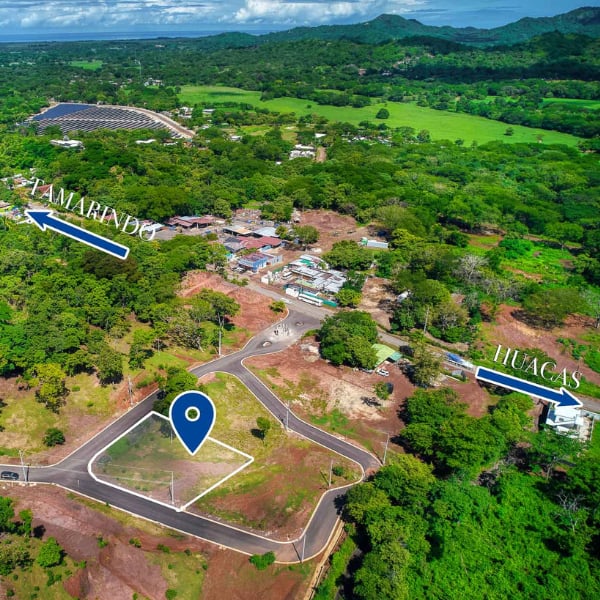
Check out this Secure Lot in Family Community
Homesite 9 in Alma Verde is fully ready for construction, with all necessary permits in place, offering a hassle free build in a secure, gated community. Located just minutes from Tamarindo’s pristine beaches, this 871m² lot provides the perfect foundation for your dream home in a peaceful and private setting. With its ideal location, security, and proximity to local amenities, this lot is an excellent investment opportunity or family residence.
Avoiding Litigation and Financial Losses in Costa Rica Real Estate
Steps for Due Diligence
- Comprehensive Documentation: Ensure a complete file containing all technical, fiscal, and legal documents is maintained.
- Professional Expertise: Engage only with registered and proven real estate professionals, including lawyers and technical experts (surveyors, engineers). At 2CRRE, we have the most experienced real estate professionals on the market.
- Registry Monitoring: Utilize the National Registry's alert system to detect any changes or entries on the colonial luxury homes title, helping prevent fraud.
- Written Agreements: Always document all claims and agreements; do not rely on verbal information alone.
Comprehensive Due Diligence: A Critical Step
Navigating Costa Rican property investment requires specialized legal expertise. This vital knowledge ensures the security and success of your ventures by structuring transactions to conform with local law and protecting investor interests. A legal partner with a deep understanding of Costa Rican property law and the dynamic market is a clear advantage.